Jimmy Joe's Plumbing - Mesa, AZ Blog
We keep a blog updated with helpful info for our Mesa, AZ home owners.
Blog

We keep a blog updated with helpful info for our Mesa, AZ home owners.
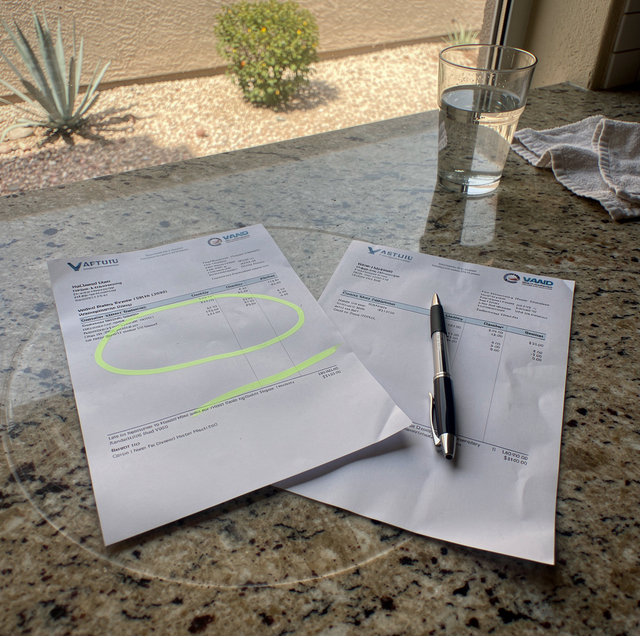
Meters and bills don't lie about volume, even when nothing looks wrong on the surface. Learning to read that number, rule out the normal explanations, and narrow down where the extra water is going catches a leak while it's still a minor repair instead of a major one.
A slab leak rarely announces itself with a single clean problem. By the time a plumber traces the source, the real question on the table isn't just "how do I stop this leak" but "What does this pipe's age and condition tell me about the next one?"
A drain that clears after plunging or snaking, then backs up again within a few weeks, is telling you something.
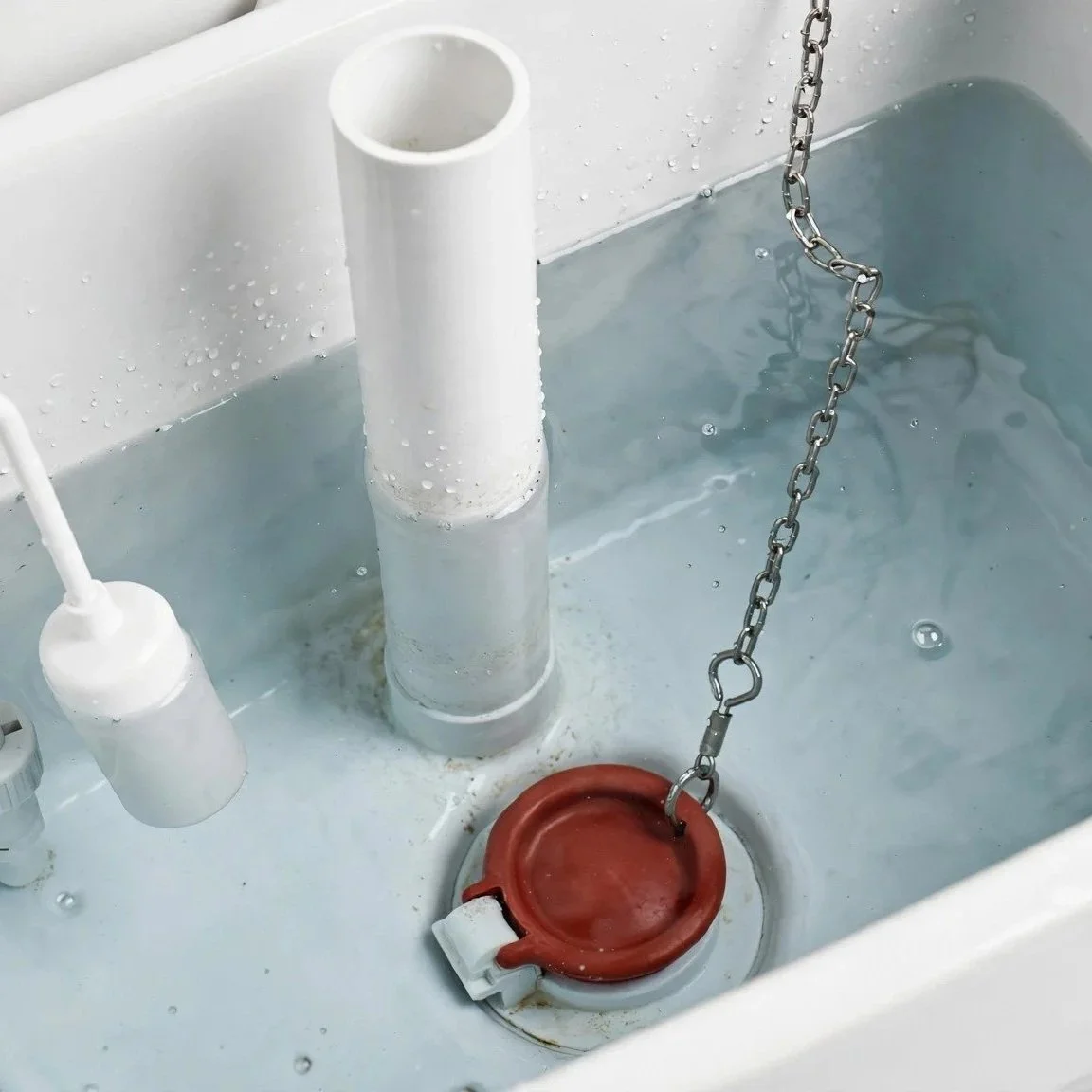
A toilet that keeps running is almost never a mystery once you understand what lives inside the tank. In nearly every case, one small part has stopped doing its one job: either something will not seal, so water leaks out of the tank as fast as it fills, or the fill valve will not shut off, so it keeps pouring in.
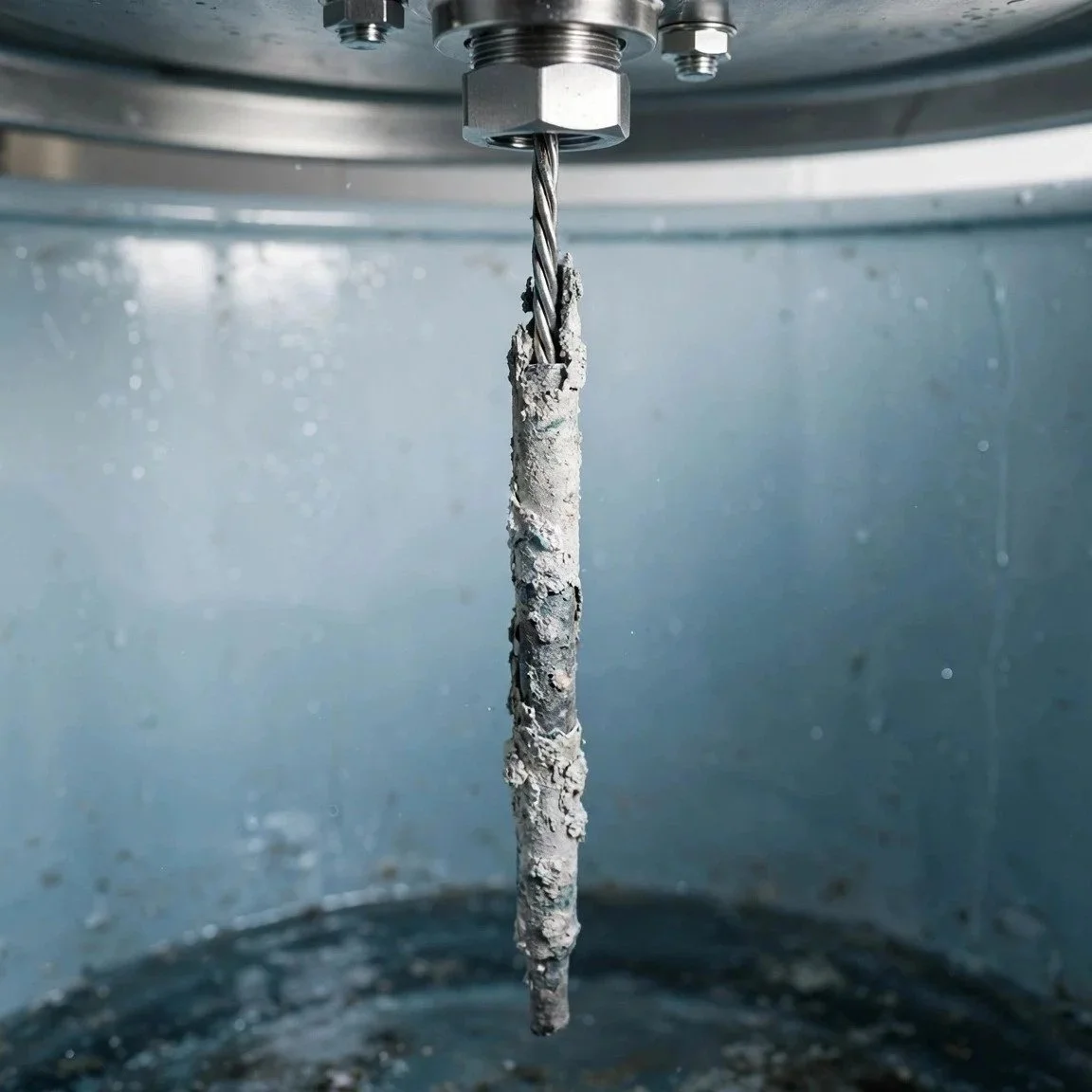
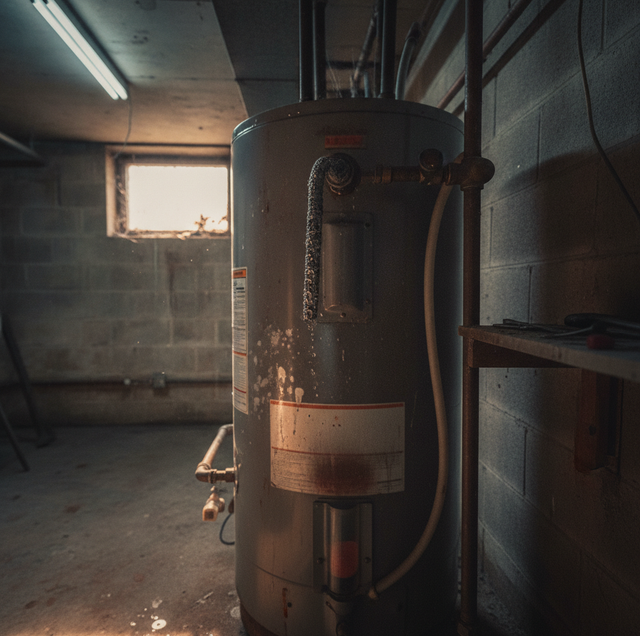
Inside every tank-style water heater is a long metal rod, usually running from the top of the tank almost to the bottom. It is called a sacrificial anode, and the word "sacrificial" is the whole point.
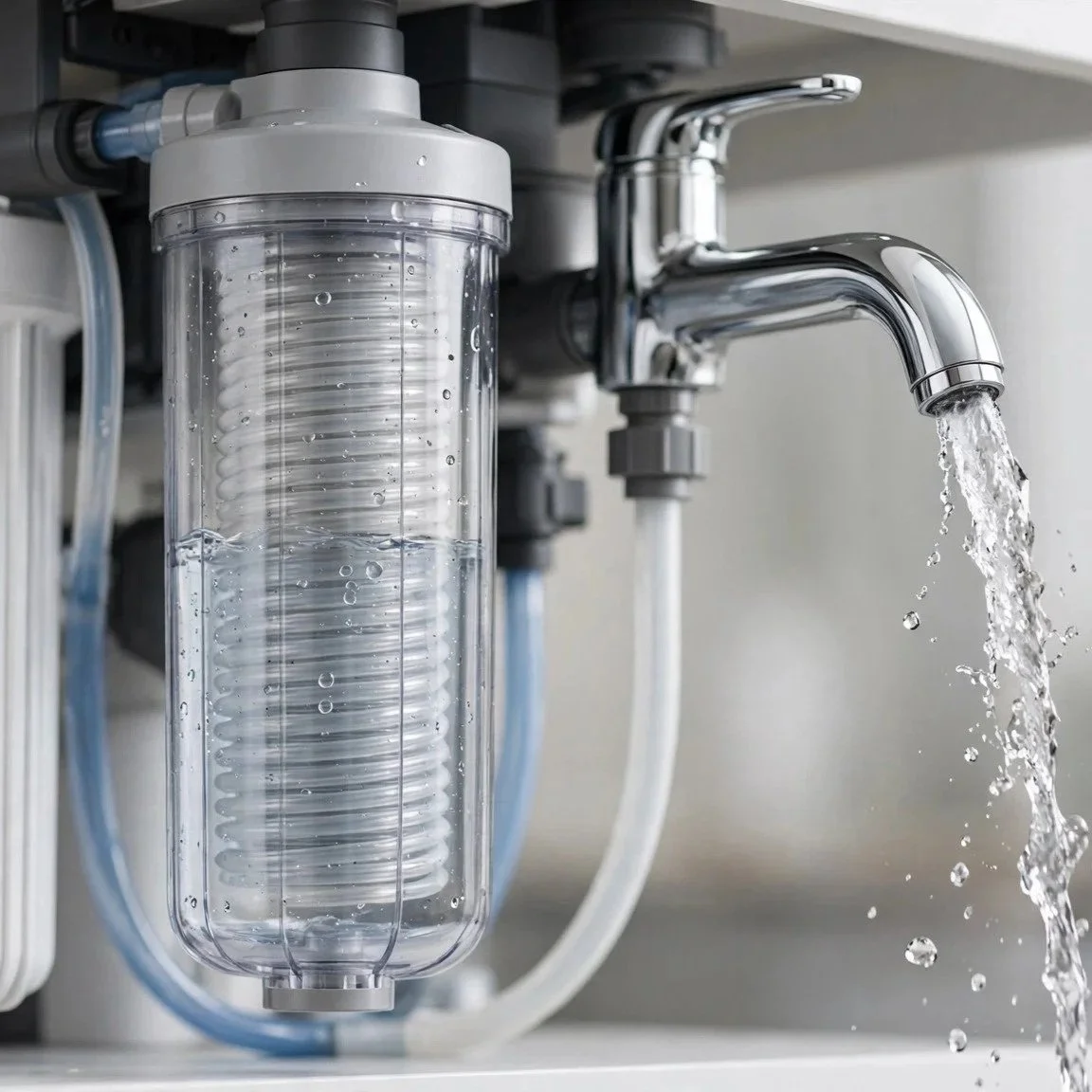
Reverse osmosis, usually shortened to RO, is one of the most thorough ways to clean drinking water inside a home. It does not use chemicals or heat. It uses pressure and a very fine barrier to separate clean water from almost everything dissolved in it.
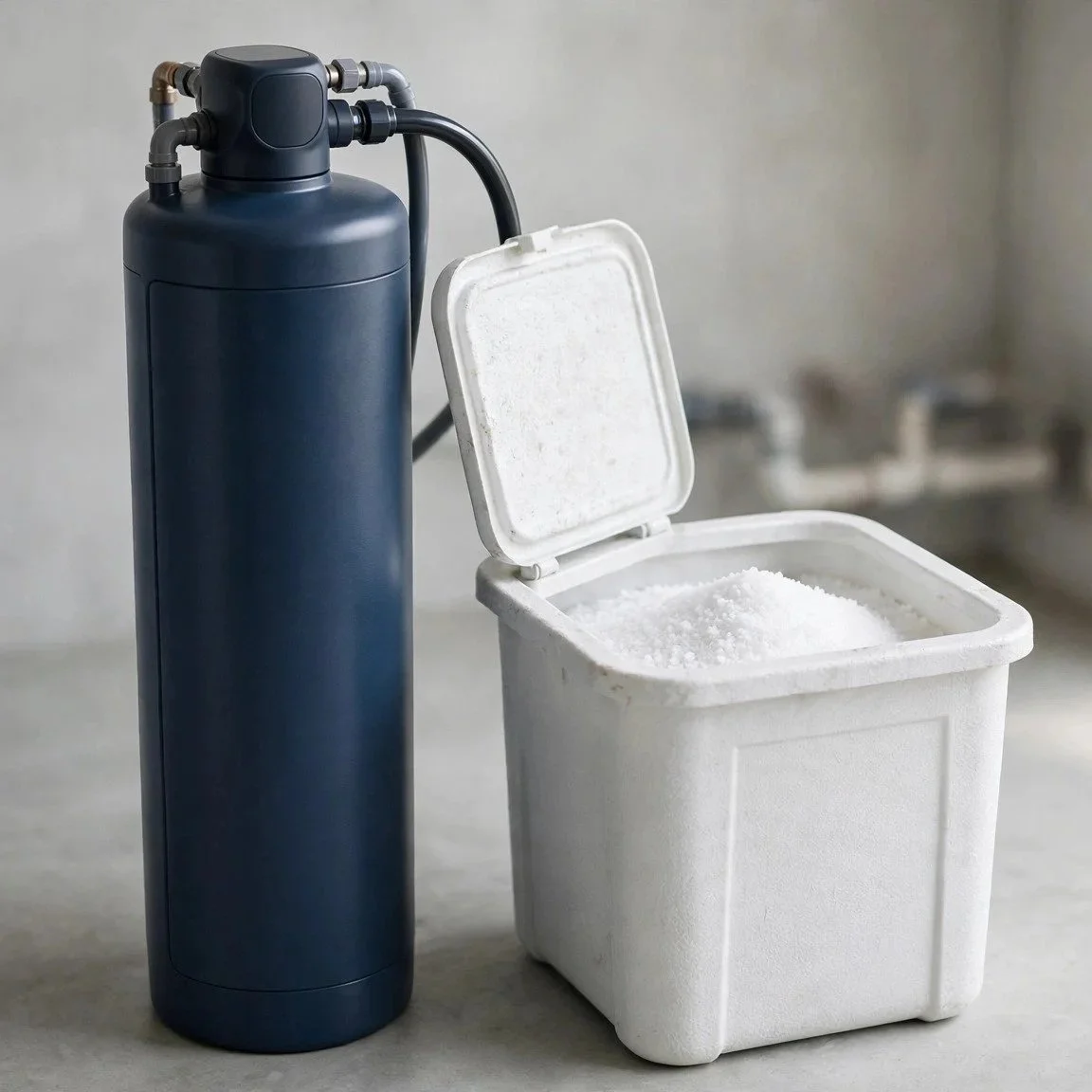
Hard water carries dissolved calcium and magnesium. Those two minerals are the reason a kettle scales up, a shower head clogs, and soap refuses to foam.
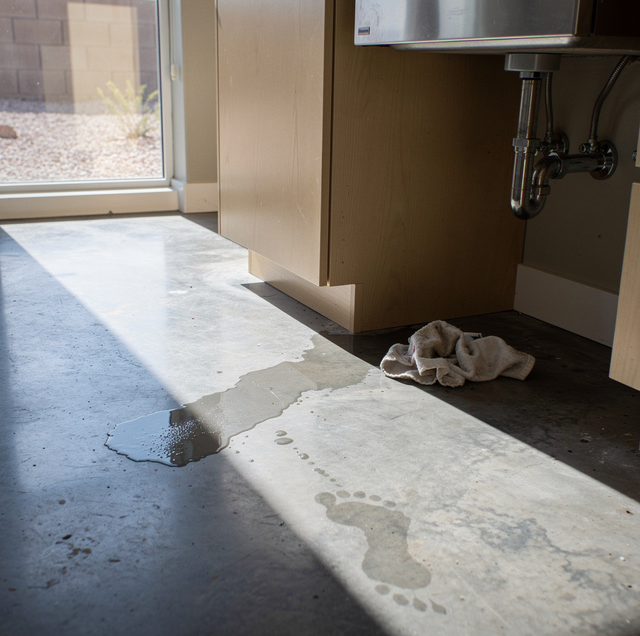
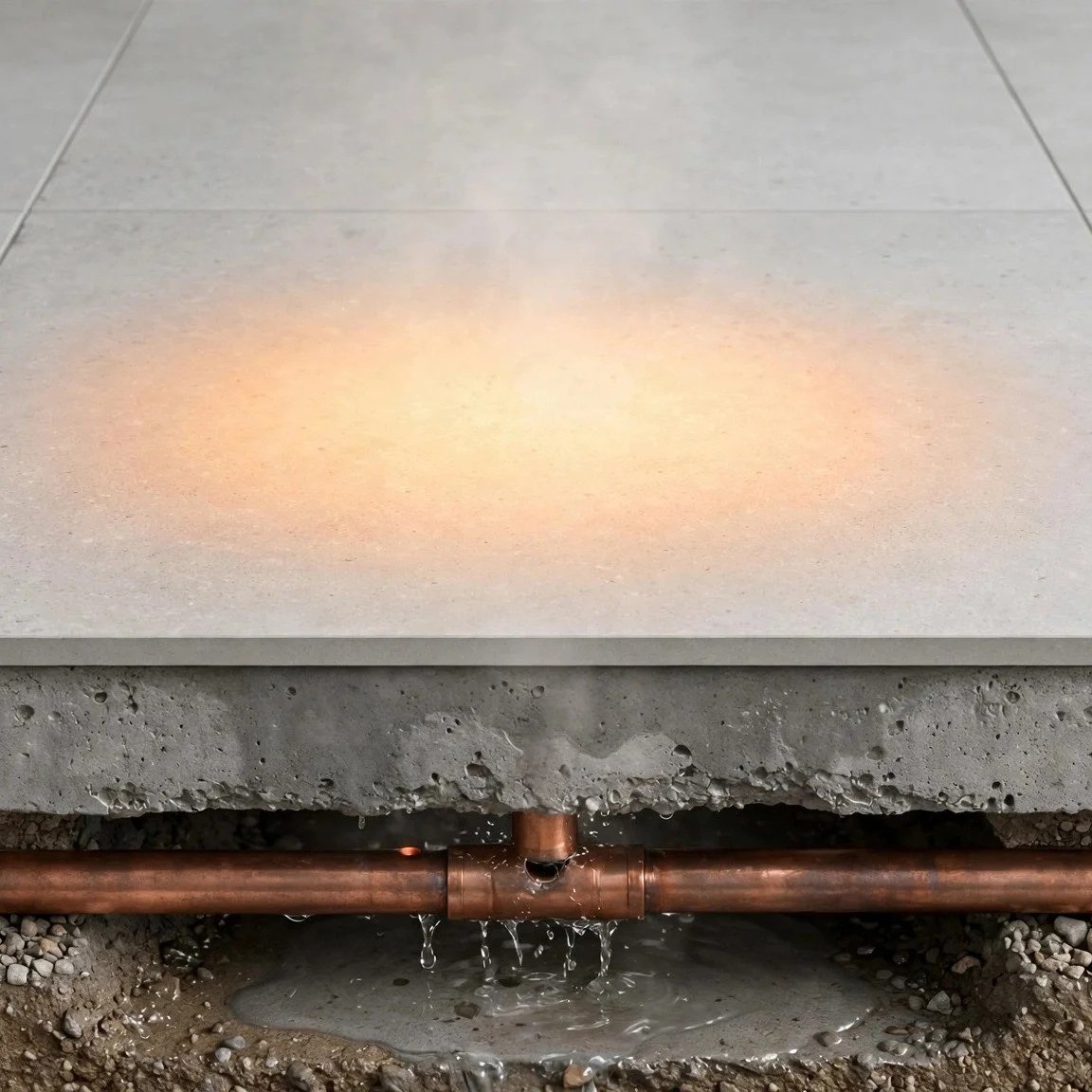
A slab leak is a leak in a water line that runs under or through the concrete foundation slab your house sits on. In a slab-on-grade home, the supply pipes for both hot and cold water are often buried in or just beneath that concrete.
Hydrogen sulfide is the gas behind the rotten-egg odor, and your nose is remarkably good at catching it. People can detect it at concentrations well below one part per million, which is why a faint trace at the tap seems so strong.
Older homes were plumbed with air chambers to absorb this shock, short capped stubs of vertical pipe near fixtures that hold a cushion of trapped air. Air compresses; water does not. When that cushion is present, the shock wave pushes into the air pocket instead of the pipe.