
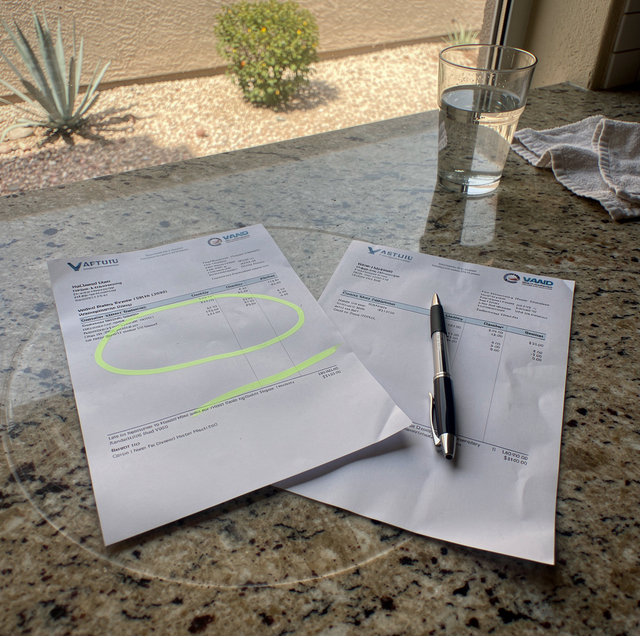
Your water bill jumps by 30, 50, or 100% over last month, and nothing about your routine has changed. No new houseguests, no filled pool, no extra loads of laundry. That gap between what you're actually using and what the bill says you used is one of the most reliable early signals of a hidden leak, and it shows up on paper before it shows up as a stain on a ceiling or a puddle in a yard.
Meters and bills don't lie about volume, even when nothing looks wrong on the surface. Learning to read that number, rule out the normal explanations, and narrow down where the extra water is going catches a leak while it's still a minor repair instead of a major one.
What Counts as an Unexplained Jump vs Normal Seasonal Variation
Water use naturally fluctuates throughout the year, and the first step is distinguishing that normal rhythm from a genuine spike. A household that runs an irrigation system, fills a pool, or hoses down a patio more in warmer months sees usage climb during those stretches and fall back once the weather cools. That kind of change tracks with a season, repeats in a predictable pattern year over year, and usually lines up with something you can point to directly, like more time spent watering or more people showering during a visit.
An unexplained jump looks different. It shows up outside the pattern you'd expect for the time of year, it doesn't match any change in how the household is using water, and it tends to stick around rather than settling back down after a week or two. A comparison against the same billing period from a year earlier is one of the more useful checks, since it filters out ordinary seasonal swings and isolates a jump with no obvious seasonal cause. If this month's use runs well above both last month and the same month last year, with no new appliance, extra guests, or added outdoor watering to explain it, that combination is worth investigating rather than dismissing as a fluke.
A single high bill is worth a second look. Two high bills in a row, with nothing in your routine to account for either one, is a strong indicator that water is going somewhere other than a faucet, shower, or appliance you're aware of.
How to Read a Water Meter or Bill to Confirm It
The bill tells you something changed. The meter tells you whether water is still moving right now, and that distinction matters because a leak that's active today will show on the meter even between billing cycles.
Most water meters display usage as a rolling number, similar to an odometer, along with a small leak indicator, often a triangle, star, or spinning dial, that moves whenever any water is flowing through the line. To test it, make sure every fixture and appliance in the house is off, including ice makers or humidifiers that draw water on their own, then check the indicator. If it's spinning or moving at all with everything shut off, water is flowing somewhere in the system that shouldn't be flowing.
A more precise version of the same test works even without a visible leak indicator. Write down the meter reading, avoid using any water for two hours, then check the reading again. Any change in that number, even a small one, means water moved through the line during a period when nothing should have used any. A small tick suggests a slow drip somewhere, while a meaningful jump over just two hours points to something running continuously and losing real volume.
Compare the bill's actual gallons used, not just the dollar total, against your household's typical monthly range, since rate changes can shift the dollar amount without any change in gallons. The gallons figure is the number that tells the real story of how much water actually moved through the property.
Common Hidden-Leak Culprits
Once a meter test confirms water is moving somewhere it shouldn't be, the next question is where. A handful of sources account for most unexplained jumps.
A running or silently leaking toilet: This is the single most common source of wasted water in a home, and it's often invisible because a running toilet doesn't always make an obvious sound. A worn flapper valve lets water seep from the tank into the bowl continuously, refilling the tank over and over without ever actually flushing. A toilet like this can waste a meaningful volume of water every day, and because the water drains quietly down the same path it always would, nothing looks unusual unless someone happens to notice the fill valve running when it shouldn't be.
A slab leak: A pipe that runs beneath a home's foundation can develop a leak from corrosion, ground shifting, or simple age, and because that pipe sits under a concrete slab, the water it releases doesn't pool visibly the way a leak under a sink would. Instead, it seeps into the soil beneath the foundation, sometimes for weeks before any surface sign appears. A warm patch on the floor, a faint sound of running water when everything is off, or a higher-than-normal meter reading are often the only clues before it becomes visible in another way.
An irrigation line: Underground sprinkler and drip lines run beneath soil and mulch, so a cracked fitting or a split section of pipe can leak steadily without leaving anything visible above ground, especially if the break sits deep enough that water simply disperses into the surrounding soil rather than surfacing. A sprinkler zone that runs longer than it used to, or a patch of unusually green or soggy ground along a buried line, can point to a leak feeding that area even when the sprinkler heads themselves look fine.
A water heater: A tank that's developed a small crack, a failing valve, or a corroded fitting can lose water slowly, sometimes draining toward a floor drain where it's never noticed, or seeping just enough to keep a small area of flooring damp without forming an obvious puddle. A water heater nearing the end of its expected service life is more likely to develop this kind of slow loss than a newer unit.
A fixture with a worn seal or supply line: Under-sink supply lines, washing machine hoses, and the connections behind a refrigerator's ice maker all rely on seals and fittings that wear out over the years. A slow seep at any of these points can go unnoticed for a long stretch, particularly in spaces that aren't checked often, like the back of a cabinet or behind an appliance that's rarely moved.
How to Narrow Down the Source
With the meter test confirming that water is moving somewhere it shouldn't, the search narrows to systematically ruling sources in or out.
Start with toilets, since they're the most common culprit and the easiest to check. Add a few drops of food coloring to each tank, wait about fifteen minutes without flushing, and check the bowl. If color has seeped into the bowl water without a flush, the flapper valve is letting tank water leak through, and that alone can account for a large share of an unexplained jump.
Next, walk the property and look for the physical signs that go with each culprit above: a warm or darker patch on flooring near a water heater or in a room over an exterior wall, unusually green or spongy ground along an irrigation line, or a faint hissing or trickling sound near a wall or floor where no fixture is running. Check under every sink and behind the washing machine and refrigerator for dampness, even faint dampness, on the floor or cabinet base.
If the meter's leak indicator moves with every fixture off but none of these checks turn anything up, isolate sections of the plumbing system one at a time where possible. Shutting off the supply to an irrigation system and rechecking the meter afterward can confirm or rule out that zone without needing to dig anything up. The same logic applies to any section that has its own shutoff valve: isolate it, recheck the meter, and see whether the movement stops.
Keep a simple log of what you've ruled out and what the meter showed at each step. A leak that isn't found on the first pass often gets found on the second, once the easy explanations are eliminated.
When to Call a Plumber
A confirmed toilet flapper issue or a dripping supply line under a sink is usually a simple fix that doesn't require immediate help, though it shouldn't go unaddressed once it's found. A few signals point toward bringing in a plumber sooner rather than later.
A meter that shows movement with everything off, but no visible source anywhere in the house or yard after a thorough check, is the clearest reason to call. That combination almost always means the leak is underground, inside a wall, or otherwise out of sight, and finding it without the right equipment usually means guessing at where to dig or cut, which can cause more damage than the leak itself. A licensed plumber has access to acoustic leak detection tools built specifically for locating water moving through inaccessible pipe, which turns a guess into a confirmed location before any repair work starts.
A warm spot on the flooring, especially one that's growing or accompanied by a rising bill with no other explanation, is worth treating with urgency, since it often signals a slab leak that's actively worsening. The same urgency applies to any water heater showing signs of a developing leak, since a tank failure can escalate from a slow seep to a sudden, much larger release with little warning.
Finally, if two or three billing cycles in a row show unusually high use with no household explanation and a meter test that keeps confirming movement, that pattern alone is reason enough to call before a visible sign ever shows up. Catching a hidden leak while it's still just an inflated bill, rather than after it's caused damage to flooring, drywall, or a foundation, is almost always the cheaper and simpler outcome.
Frequently Asked Questions
How much of a jump in a water bill counts as unexplained?
There's no single fixed percentage, but a jump of 30% or more over a typical month, with no added guests, new appliance, or increased outdoor watering to explain it, is generally worth investigating with a meter test rather than dismissing it as normal variation.
Can a leak cause a higher bill without any visible water anywhere in the house?
Yes. Slab leaks, underground irrigation leaks, and leaks inside wall cavities can release water into soil, gravel, or insulation, where it's absorbed rather than pooling visibly, so a meter test is often the only way to confirm that one of these leaks exists before it eventually surfaces in another way.
Does a higher water bill always mean a leak?
No. A change in household size, a new water-using appliance, more outdoor watering, or a rate increase from the water provider can all raise a bill without any leak involved. Comparing gallons used, not just the dollar total, against the same period a year earlier helps separate a rate change from an actual increase in water moving through the property.
How long can a slab leak go unnoticed?
It varies with the size of the crack and the soil conditions under the foundation, but a small slab leak can run for weeks or longer before a warm spot, a sound of running water, or a rising bill makes it obvious, which is part of why meter tests catch these leaks earlier than waiting for a visible sign.
Is the food-coloring toilet test reliable, or is it just a rough guess?
It's a reliable way to confirm a leaking flapper valve specifically. Color appearing in the bowl within fifteen minutes without a flush confirms tank water is bypassing the flush mechanism, though it won't rule out other leak sources, so it's one check among several rather than the only one needed.
What happens if a hidden leak goes unaddressed for months?
Beyond the ongoing cost of wasted water reflected in every bill, a leak that continues can lead to moisture damage, mold growth in wall cavities or under flooring, soil erosion around a foundation from a slab or irrigation leak, and in some cases a sudden, larger failure once a small crack or worn seal finally gives way.