
There's a particular disappointment in stepping into a shower that goes lukewarm before you're done, or being the second person up and getting a cold rinse. When a water heater that used to deliver plenty starts running short, something has changed — and in a hard-water region especially, the usual suspects are predictable.
The Two Big Questions
Diagnosing short hot water starts with two questions. First: did it change, or has it always run short? A heater that used to be fine and now runs out points to something developing inside the tank. A heater that has always struggled may simply be too small for the household. Second: Does it run short on the first use of the day, or only during heavy back-to-back use? First-use shortness points inside the tank; only during heavy use points to recovery speed or capacity. Those answers narrow the cause quickly.
Cause One: Sediment Has Shrunk Your Tank
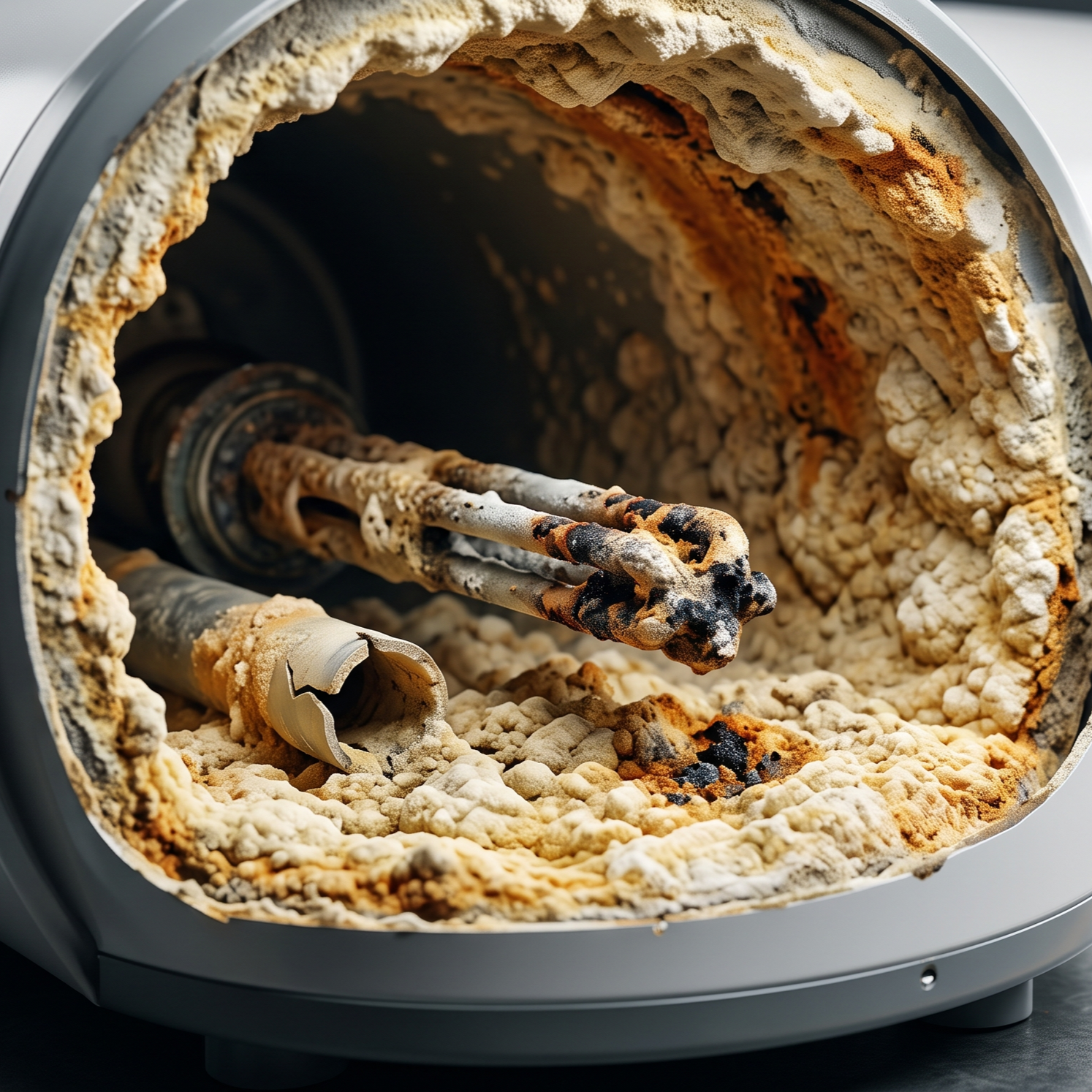
In hard-water areas, sediment is the leading cause. Minerals settle to the bottom of the tank and harden into scale, and that layer takes up volume that used to hold hot water — so a tank's effective capacity drops. On a gas heater, the sediment also insulates the burner from the water, slowing how fast the tank reheats. The result is less hot water that comes back more slowly. A rumbling or popping sound from the tank is a giveaway that sediment is the issue, and a heater that's never been flushed is the prime candidate.
Cause Two: A Broken Dip Tube
Cold water entering the tank is supposed to travel down a dip tube to the bottom, where it heats before rising. If that tube cracks or breaks near the top, cold water dumps straight into the upper part of the tank and mixes with the hot water about to leave. You get hot water that turns lukewarm fast, even though the burner or element is working normally. A failing dip tube is a classic cause of a sudden drop in the amount of hot water you get.
Cause Three: A Failed Heating Element
On an electric water heater, there are usually two elements, and the lower one does most of the heating. If it fails, only the upper element works, heating just the top portion of the tank — so you get a short burst of hot water that quickly runs cold. This is one of the most common electric-heater complaints. On a gas unit, the equivalent is a dirty or struggling burner that can't reheat fast enough to keep up.
| Symptom | Likely cause | Typical fix |
|---|---|---|
| Rumbling tank, slow recovery | Sediment buildup | Flush, or replace if severe |
| Sudden drop in hot water | Broken dip tube | Replace dip tube |
| Short burst then cold (electric) | Failed lower element | Replace element |
| Never very hot | Thermostat too low | Adjust and test |
| Always ran short | Undersized for household | Larger tank or tankless |
Cause Four: Demand Has Outgrown the Tank
Sometimes nothing is broken — the demand has changed. A tank that was right for two people may fall short after the household grows, a soaking tub is added, or a high-flow showerhead is installed. The hot water didn't shrink; the need grew past it. In that case, the answer is more capacity, whether a larger tank or a tankless unit sized for the household's peak use. This is why the "always ran short" answer matters: it points to sizing, not a fault.
Why It's Worth Diagnosing Properly
A heater that runs short is often a heater under stress, and the right fix depends entirely on the cause. Flushing helps sediment but does nothing for a broken dip tube; a new element fixes an electric heater but not an undersized one. Guessing can mean money spent without solving the problem. A proper diagnosis — checking the elements, the dip tube, the sediment level, and the household's actual demand — tells you whether a simple repair, a flush, or a resized heater is the answer. And catching sediment early, before it overheats and stresses the tank, can head off an early replacement. The cost of a quick diagnosis is small next to the cost of replacing a heater that only needed a flush or a single part, which is the real reason it pays to identify the cause before spending on a fix.
FAQs
Why does my hot water run out faster than it used to?
Usually, because something inside the tank has changed. Sediment buildup reduces the tank's usable capacity and slows reheating; a broken dip tube lets cold water mix with the hot at the top, or a failed heating element heats only part of the tank. Each cuts the amount of usable hot water you get from a draw.
Does hard water make hot water run out faster?
Indirectly, yes. Hard water deposits sediment faster, and that sediment takes up space in the tank and insulates the burner, reducing capacity and slowing recovery over time. In hard-water areas, a heater that isn't flushed regularly can start running short years sooner than it would on softer water. Regular flushing helps offset it.
How do I know if it's a sediment problem?
Listen for a rumbling, popping, or knocking sound during heating — that's water moving through the sediment layer. Slow reheating and a heater that's never been flushed also point to sediment. If the tank is noisy and hot water runs short, sediment is a likely cause, and a flush is the first step if the buildup hasn't hardened.
Can a broken dip tube cause short hot water?
Yes. The dip tube delivers cold water to the bottom of the tank to heat. If it breaks near the top, cold water mixes with the hot water at the top instead, so the hot water turns lukewarm quickly. It's a common cause of a sudden drop in usable hot water, even when the heater otherwise seems fine.
Is my water heater just too small?
It might be, especially if it has always run short rather than declining over time. If the household has grown or added fixtures that use a lot of hot water, demand may simply exceed the tank's capacity. In that case, a larger tank or a properly sized tankless unit is the fix, rather than a repair.
Should I repair or replace a heater that runs out fast?
It depends on age and cause. A newer heater with a bad element or dip tube is worth repairing. An older tank — past its expected lifespan — that's full of sediment and running short is often better replaced, since repairs only delay the inevitable. If demand has outgrown the tank, resizing to a larger unit is the real solution.
Get Your Full Tank Back
Hot water that runs out too quickly is your heater signaling a change — sediment shrinking its capacity, a broken dip tube, a failed element, or demand that has simply outgrown the tank. The two diagnostic questions, whether it has changed and when it runs short, point to the cause quickly. Matching the fix to the real problem restores full showers instead of treating a symptom.