
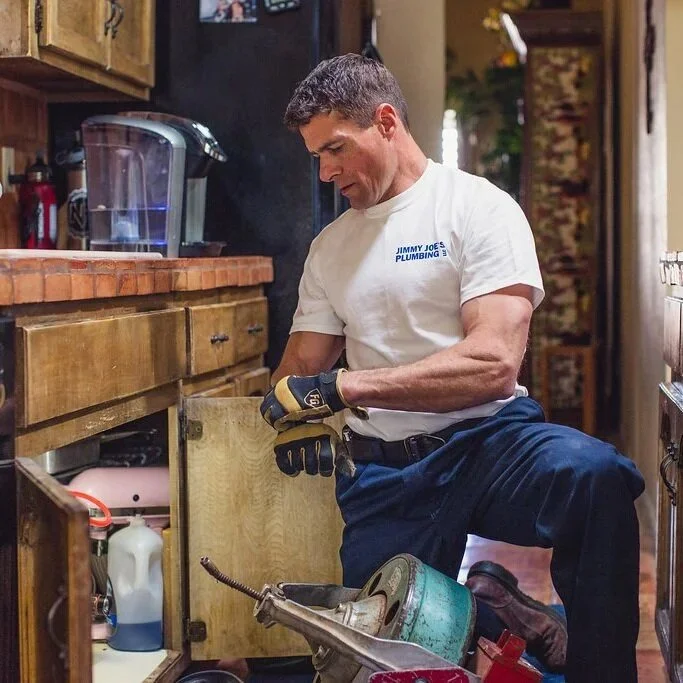
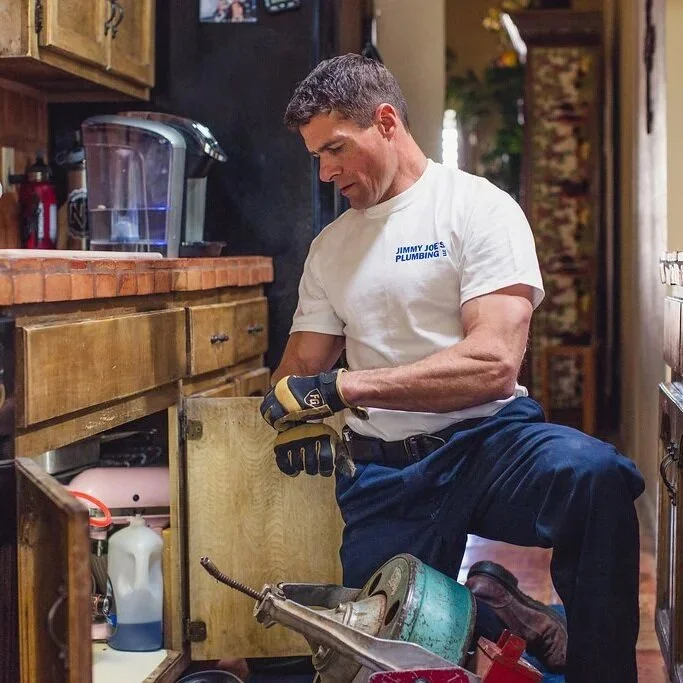
When pipes leak, time becomes the sneakiest accomplice, quietly magnifying the mess with each passing hour.
Water damage doesn't always start with a bang. Sometimes it tiptoes in behind a wall, under a cabinet, or through a hairline crack in an aging pipe. When pipes leak, time becomes the sneakiest accomplice, quietly magnifying the mess with each passing hour. Prompt pipe repairs stop that silent spread, saving homeowners from warped flooring, musty walls, and the unique joy of explaining a soggy ceiling to confused guests.
Spotting the early signs of trouble, calling in reinforcements, and acting fast can mean the difference between a simple fix and a full-blown restoration project involving tarps, fans, and insurance paperwork.
Common Culprits Behind Residential Pipe Leaks
Plumbing systems carry water everywhere it needs to go, but not without risk. Over time, even the most dependable pipes run into problems. Corrosion leads the charge. Galvanized steel and copper pipes can weaken from the inside out, thinning until they spring a leak.
Tree roots in search of water frequently invade underground lines. Shifting soil, seasonal temperature changes, or careless renovations can also cause stress fractures in both metal and plastic piping. In colder climates, frozen pipes become an annual threat, expanding and bursting with little regard for flooring or family schedules.
Vibration from nearby appliances, high water pressure, and even minor clogs can wear down joints or fittings. Tiny drips become steady streams, soaking insulation, staining drywall, and turning basements into unplanned swimming holes.
Hidden Leaks That Cause Major Problems
Not every leak shouts for attention. Some whisper in the form of damp spots, peeling paint, or a faint musty odor that lingers long after the dishes are done. Water hiding beneath the surface can take weeks to reveal itself, especially when it trickles behind cabinetry or inside ceiling joists.
One of the most mischievous traits of hidden leaks is their ability to travel. Water follows the path of least resistance, often emerging several feet away from the original break. A puddle in the hallway might trace back to a cracked pipe in the laundry room.
By the time visible damage appears, the water may have already warped subflooring, fed mold colonies, and softened wooden supports. That's why prompt pipe repairs matter so much—they cut the problem off before it takes root in the home's structure.
Signs That Pipe Repairs Are Urgently Needed
Sometimes pipes behave like dramatic stage performers, with obvious symptoms like water gushing from under the sink or a ceiling tile collapsing and raining droplets onto the dinner table. Other times, the signs are subtler: a spike in the water bill, decreased pressure at the tap, or an unexplained wet spot on a usually dry wall.
Discoloration on ceilings or walls, a faint sound of dripping water, or flooring that feels oddly spongy underfoot all suggest that a pipe somewhere has turned traitor. Early recognition makes for smaller repairs, faster cleanup, and less emotional distress.
Why Speed Matters When Water Is Involved
Water is relentless. Once it escapes the plumbing, it spreads quickly across surfaces, down walls, and into materials meant to stay dry. Within hours, it begins to break down drywall, delaminate flooring, and create perfect conditions for mold growth.
Prompt pipe repairs halt the spread before water reaches electrical systems, insulation, or the lower levels of the home. They also reduce the risk of long-term rot in wood framing or subfloors, which can lead to structural instability and higher repair costs down the line.
Calling in a professional quickly doesn't just address the leak—it also prevents unnecessary damage to the surrounding materials. Time may be money, but in the world of plumbing, it's also flooring, furniture, and peace of mind.
Tools That Help Speed Up Detection And Repair
Modern plumbers come armed with more than just wrenches and good intentions. Thermal imaging cameras detect heat differences in walls and floors, pinpointing hidden leaks without removing a single tile. Moisture meters measure dampness behind solid surfaces, identifying affected areas that aren't visibly wet.
Acoustic sensors listen for high-frequency sounds of water escaping from within walls. Video inspection snakes a camera directly into the pipe to locate cracks, corrosion, or loose fittings. These tools speed up both detection and decision-making, making it easier to target repairs without tearing apart the entire room.
Repair Methods That Work Without Major Disruption
Depending on the type and location of the leak, plumbers may use several approaches. For small, accessible breaks, replacing a short section of pipe may be enough. Compression fittings, push-fit connectors, or couplings with new lengths of PEX or copper restore integrity quickly and cleanly.
In areas where opening walls would cause too much disruption, pipe relining can provide a less invasive solution. A resin-coated liner slides into the damaged pipe and cures in place, sealing cracks and reinforcing weak points without major demolition.
Slab leaks, notorious for their complexity, often require rerouting pipes. Rather than jackhammering the floor, plumbers run new lines through the attic, walls, or ceilings, bypassing the damaged section entirely. It's cleaner, faster, and far less traumatic for everyone involved.
How Prompt Repairs Protect More Than Just Plumbing
The consequences of a leak stretch far beyond the pipe itself. Damp wood attracts insects. Wet insulation loses effectiveness and needs to be replaced. Mold finds its way into air ducts and behind walls, aggravating allergies and respiratory conditions.
Homeowners dealing with water damage often face more than one kind of repair—flooring, drywall, cabinetry, and furniture rarely escape unscathed. Prompt pipe repairs act as a shield against this cascade of consequences, preserving not only property but also sanity.
Insurance Considerations And Timely Action
Home insurance may cover sudden water damage, but most policies draw the line at neglect. A slow drip left unchecked for months might not qualify for reimbursement. Taking prompt action helps strengthen any claim by demonstrating responsible ownership and quick response.
Documenting the issue, repairs, and any professional evaluations goes a long way. A good plumber not only fixes the problem but also provides the paperwork and evidence that may be needed if insurance becomes part of the conversation.
When To Call A Professional
DIY repairs have their place, especially for minor issues like replacing a faucet washer or tightening a connection. But when a pipe is leaking inside a wall, beneath a slab, or near electrical wiring, professional help isn't just helpful—it's necessary.
Professionals arrive with both the tools and the training to fix the issue properly the first time. They spot warning signs that might be missed, test the entire system for integrity, and leave behind a repair that holds strong long after the drywall goes back up.
Regular Maintenance Reduces Emergency Repairs
Staying ahead of plumbing problems doesn't require a crystal ball—just a little attention. Annual plumbing inspections, especially in older homes, catch small issues before they balloon into major leaks. Replacing aging pipes, resealing joints, and checking water pressure all contribute to a more resilient system.
In homes with hard water, installing a water softener helps reduce mineral buildup inside pipes, which can lead to cracks or blockages. Pressure regulators prevent strain on fittings and joints. Drain screens help prevent clogs that back up into places they shouldn't.
Peace Of Mind In A Dry, Happy Home
Prompt pipe repairs may not make headlines, but they save homes from long-term headaches. Catching a leak early, fixing it fast, and drying the area completely keeps water damage from spreading into a full-blown disaster.
The right tools, the right timing, and a trusted plumber turn a potential plumbing crisis into a minor inconvenience. Dry walls, sturdy floors, and a calm homeowner are the true signs of a job well done—and a leak stopped in its tracks.
Jimmy Joe’s Plumbing LLC is a licensed, insured, and bonded plumbing service offering garbage disposals, tubs and showers, leak detection and pipe repairs, water treatment, and home remodeling plumbing services to Mesa, AZ, homeowners. Our skilled plumbers are prompt and can resolve any plumbing issue the home encounters. They can also handle plumbing emergencies efficiently. Call now!