
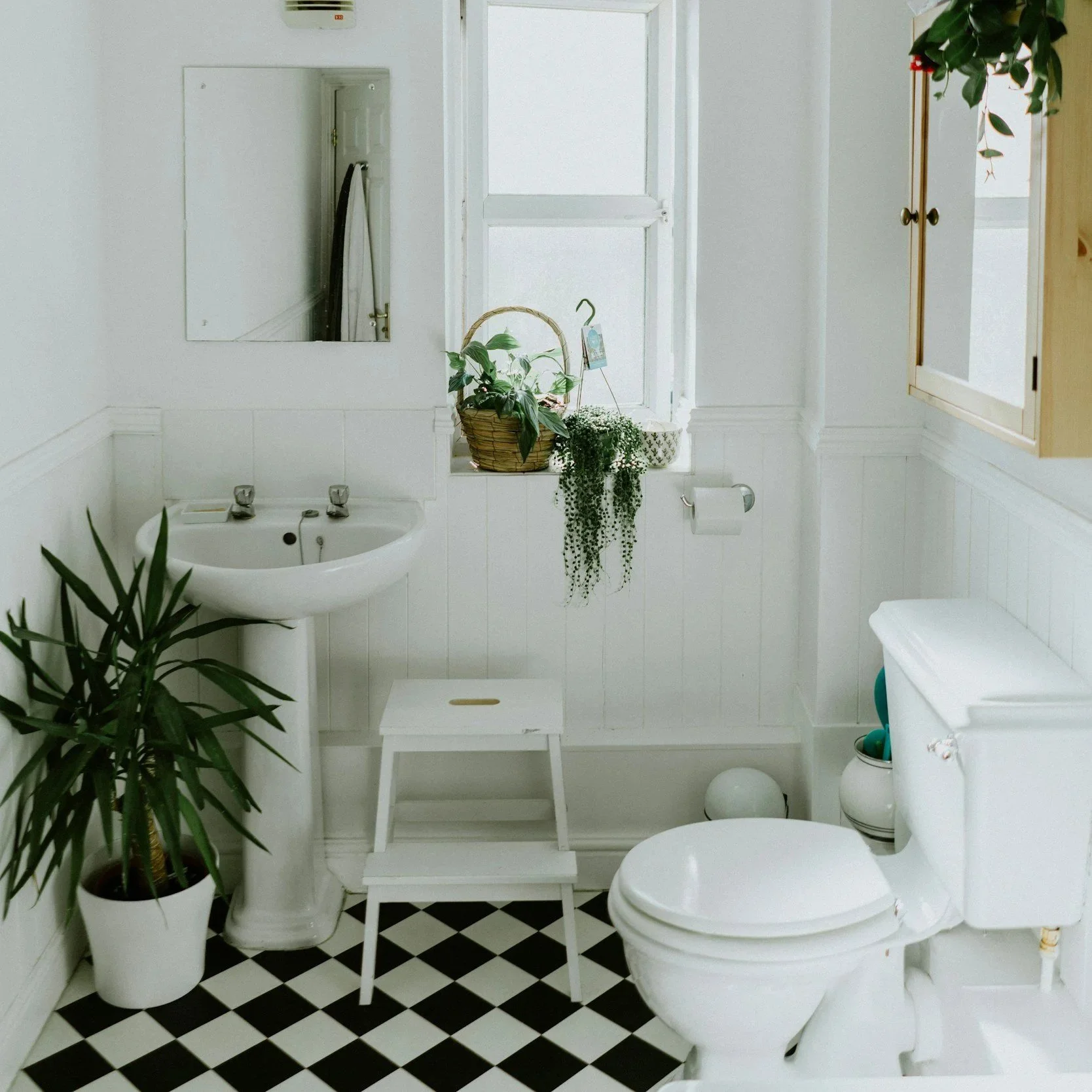
Keeping a bathroom running smoothly means staying ahead of these common toilet issues and resolving them with a touch of skill and a sense of humor.
A toilet isn't typically the centerpiece of a home, but when it misbehaves, it certainly takes center stage. Minor quirks can turn into full-blown chaos faster than a houseguest can say, "I think it's clogged." Keeping a bathroom running smoothly means staying ahead of these common toilet issues and resolving them with a touch of skill and a sense of humor.
Running Toilets That Never Take a Break
When a toilet runs continuously, it doesn't just waste water—it slowly chips away at patience and the water bill. Worn flapper valves top the list of usual suspects. Over time, these rubber components degrade, harden, or lose their seal, allowing water to slip from the tank to the bowl with a sound that belongs in a rainforest.
Float arms and fill valves can also misalign, especially after enthusiastic DIY repairs or parts replacements. If the water level rises too high, the overflow tube kicks into action, and the tank becomes a waterfall. Adjusting the float or swapping out the fill valve brings peace back to the bathroom.
Silent Leaks That Sneak Up
Some leaks don't make a sound but reveal their mischief through mysterious water on the floor or surprisingly high utility bills. A warped wax ring under the toilet can leak small amounts of water at the base, especially when someone sits down. These leaks often go unnoticed until discoloration appears on the floor or a musty smell starts to linger.
Tank-to-bowl connections can also loosen over time. Worn-out gaskets or corroded bolts let water dribble out with every flush. A quick inspection and gasket replacement solves the problem before the subfloor begins to warp or soften.
Toilets That Refuse To Flush Properly
When a flush seems underwhelming, the issue often hides in the rim jets or siphon jet. Hard water deposits and mineral buildup clog these tiny openings, reducing the force and swirl that keep the bowl clean. A good cleaning with a wire hanger and a dose of vinegar helps reopen those jets.
Sometimes the chain on the flapper is too short, causing a weak lift. Other times, it's too long and slips under the flapper, preventing a good seal. Adjusting the chain to the Goldilocks zone—just right—makes a noticeable difference in the flush quality.
Leaks From The Supply Line
Toilet supply lines can surprise homeowners with slow drips or sudden sprays. Flexible braided lines last longer than older plastic or copper tubing, but they can still wear out at the connector or start leaking at the shutoff valve. Cracked washers or overtightened fittings often lead to more drama than the toilet ever asked for.
Replacing the line with a new one, complete with fresh washers and a gentle touch on the wrench, fixes the issue without adding unnecessary tension to the connection.
Phantom Flushes That Keep You Guessing
Toilets that flush by themselves—without so much as a button press—aren't haunted. They're usually suffering from a slow leak in the flapper valve or overflow tube. When the water level drops just low enough, the fill valve kicks in for a quick top-off, mimicking a flush. It's barely noticeable at first, but it becomes a recurring performance.
Swapping out the flapper or adjusting the flush valve seating solves the mystery and restores full control of the flush cycle to the humans in the house.
Wobbling Toilets That Rock The Boat
A toilet should sit like a loyal old dog—firmly planted and unbothered by foot traffic. When it wobbles, something underneath isn't quite right. Loose closet bolts might need a few careful turns, but the real issue often lies beneath the base. A damaged or misaligned flange allows the toilet to shift with every use.
Adding shims helps even things out temporarily, but a permanent fix means resetting the toilet and repairing the flange. If water has seeped into the floor from a worn wax ring, the subfloor may need reinforcement before reinstalling the toilet.
Toilets That Sweat Like They've Run A Marathon
In humid climates, condensation on the toilet tank becomes more than a cosmetic issue. Cold water flowing into the tank meets warm air outside, and the tank responds with a layer of sweat. Over time, that moisture seeps into the floor or drips down the baseboard, inviting mildew and rot.
Insulated tanks, anti-sweat valves, or simply reducing humidity in the bathroom can calm the toilet's nervous perspiration. It's a comfort upgrade with long-term benefits for both the fixture and the surrounding structure.
Clogs That Refuse To Budge
Nothing ruins a day like a toilet that won't cooperate. Whether it's due to enthusiastic flushing of paper products or an overzealous toddler testing the limits of household plumbing, clogs bring things to a standstill. A standard plunger tackles many of these incidents, especially if it's the flange-style kind made specifically for toilets.
Persistent blockages may require a closet auger—a tool designed to snake through the toilet's trap without damaging the porcelain. In rare cases, objects lodged deep within the bend require removing the toilet to retrieve the item and restore normal function.
Unpleasant Smells That Overstay Their Welcome
If a bathroom still smells like a sewer after a thorough scrub, the toilet might be the silent culprit. Gaps in the wax ring allow gases from the drain to seep out around the base. A loose connection between the tank and bowl can also leak odor, not just water.
Odor around the toilet also comes from bacterial buildup in hard-to-clean areas under the rim or around the seat bolts. A deep clean followed by sealing off escape routes helps restore a more pleasant atmosphere.
Toilets That Fill Like They're On Vacation
A sluggish fill process points to a problem with the fill valve or the water supply. Sediment buildup on the valve's screen restricts flow, slowing the tank's refill time. In homes with hard water or old pipes, debris from the plumbing can also clog the fill pathway.
Cleaning or replacing the valve allows water to return to the tank at full speed, reducing the time between flushes. A thorough check of the shutoff valve and supply line helps confirm that everything flows freely from start to finish.
When Repairs Turn Into Replacements
Every toilet has its limits. Cracks in the porcelain, recurring leaks, or flushing mechanisms that wear out faster than they can be repaired signal the end of the line. While repairing older toilets works for a while, there comes a point where replacement makes more sense.
Newer models offer better water efficiency, quieter operation, and fewer moving parts. Dual-flush systems, pressure-assisted technology, and soft-close seats bring a touch of luxury to even the smallest powder rooms. Installation provides the opportunity to address hidden issues, such as damaged flanges or outdated supply valves, in one go.
Staying Ahead With Preventive Maintenance
Most common toilet issues don't appear overnight. Regular inspections and maintenance reduce surprises and help spot small problems before they escalate. Checking the tank parts every six months, tightening bolts, and replacing worn seals keep the toilet running like a dependable old friend.
By treating the toilet as more than a background character, homeowners avoid the drama of emergency repairs and enjoy a bathroom that's quiet, clean, and ready when it's needed most. A little attention to the porcelain throne goes a long way toward preserving peace in any home.
If you need an honest, dependable plumber in Mesa, AZ, call JimmyJoe’s Plumbing LLC. Our residential plumbing services include water heater, faucets and sinks, drain cleaning, toilet repairs and installations, and backflow prevention. Licensed, bonded, and insured with 24 years of plumbing industry experience. Call now to schedule an appointment.