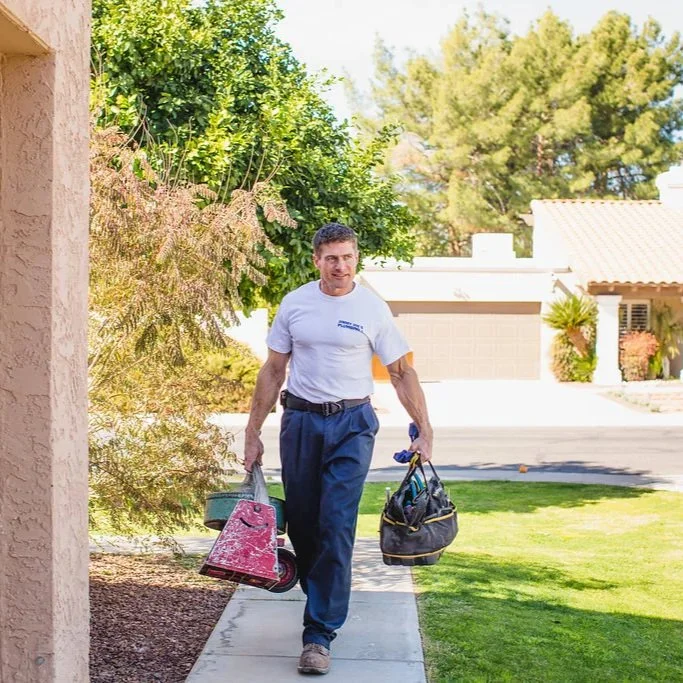
It takes professional know-how, detailed documentation, and a steady hand to bring a building back into compliance without causing unnecessary chaos.
Plumbing code violations don't usually come with party hats and cake. They arrive with citations, fines, and the unmistakable sense that something important was overlooked. For property owners, managers, or even tenants, resolving those violations means more than a quick fix. It takes professional know-how, detailed documentation, and a steady hand to bring a building back into compliance without causing unnecessary chaos.
Understanding The Nature Of Violations
Code violations tend to surface during inspections for renovations, property sales, tenant complaints, or routine audits. They might involve something minor, like a missing cleanout or outdated trap, or a serious oversight like cross-connections that pose contamination risks. Regardless of the scope, violations point to plumbing systems that stray from local, state, or national regulations.
Each region follows its own interpretation of plumbing codes, often based on standards set by the International Plumbing Code or Uniform Plumbing Code. These codes evolve, making older installations potential targets for violations even if they worked fine for years. Keeping up with these changes isn't easy, but it's necessary to stay within legal and functional limits.
Pinpointing The Problem Accurately
Before a repair can begin, the violation must be clearly understood. Vague citations or confusing reports don't help much unless backed by a thorough assessment. Licensed plumbers who specialize in code compliance dig into the source of the problem, not just the symptom. They examine piping layouts, review fixture specifications, and compare installations against code requirements to identify the exact disconnect.
Photos, inspection notes, and historical building data often play a role in diagnosis. Some violations require permits to review or even coordination with the original architect or builder. Every clue helps reveal what needs to happen next.
Correcting Violations With Targeted Repairs
Once the issue is fully identified, repairs move forward with a focus on both precision and longevity. Temporary fixes might calm the panic, but they won't hold up during a reinspection. Addressing violations often involves removing outdated or incorrect materials, rerouting pipes, upgrading components, or installing missing safeguards, such as backflow preventers.
Certain fixes come with unique challenges. Working around finished walls, high-traffic areas, or sensitive infrastructure calls for creativity. It's not just about replacing a pipe or valve—it's about doing so with minimal disruption while keeping the repair hidden, neat, and code-compliant.
Navigating Permits And Inspections
Plumbing work performed in response to a code violation typically requires one or more permits. Whether for residential or commercial properties, city and county building departments require detailed plans and timelines. Submitting the correct paperwork and coordinating inspections requires familiarity with local procedures and an ability to speak building department language fluently.
Permits also trigger additional scrutiny. Work performed during a remedy must hold up under inspection, not just function properly. That means using approved materials, following pipe sizing standards, and meeting clearance requirements that many DIYers miss. Partnering with a licensed plumber means fewer delays and smoother re-approvals.
Updating Materials To Modern Standards
Some violations trace back to outdated or no longer approved materials. Galvanized piping, lead solder, or certain flexible connectors may have been legal when installed, but are now classified as health risks or performance liabilities. Updating materials becomes part of the remedy, not just a cosmetic change.
Modern plumbing materials offer safer, longer-lasting alternatives. Copper, PEX, and PVC options meet contemporary code standards while improving water quality and flow performance. Replacing problem components now can reduce future repairs and make the system easier to maintain.
Correcting Improper Drainage Or Venting
Many plumbing code violations involve drainage and venting. Incorrect slope, missing vent lines, or oversized pipes create a range of problems—from slow drains to gurgling sounds to sewer gas escaping indoors. These issues often go unnoticed until a violation calls attention to them.
Repairs in these situations must correct both visible and hidden issues. That might involve cutting into walls or floors, relocating fixtures, or modifying existing lines to meet grade and distance requirements. Precision matters, and shortcuts usually backfire. Proper venting not only avoids further violations but also protects indoor air quality and fixture performance.
Replacing Illegal Or Noncompliant Fixtures
Fixtures installed without permits or outside the code's approved list can trigger violations in both residential and commercial settings. Hand sinks installed without air gaps, toilets with improper clearances, or water heaters without temperature/pressure relief valves can all cause problems.
The fix often involves more than just switching models. Fixture replacement requires careful attention to mounting, drainage, spacing, and accessibility. ADA guidelines, for example, require exacting installation practices in commercial spaces. Failing to follow those specifications can result in repeat violations.
Preventing Cross-Contamination Hazards
Cross-connections occur when clean water supply lines come into contact with potentially contaminated sources. Common violations in this category involve hose bibs without vacuum breakers, improperly installed irrigation systems, or washing machine hookups without air gaps.
Correcting these hazards protects both building occupants and the public water supply. Installing backflow prevention devices, verifying separation distances, and isolating certain fixtures can resolve citations and create a safer plumbing environment overall.
Eliminating Unauthorized Additions Or Alterations
Unpermitted plumbing changes rank among the most common code violations. Whether added by a previous owner, a contractor cutting corners, or an overambitious handyman, unauthorized modifications often include mismatched pipe types, poor drainage layouts, or unsafe gas connections.
These alterations require complete reversal or thoughtful integration into the existing system—legally and safely. Sometimes that means starting over with a fresh layout and current materials, especially when patchwork plumbing creates more problems than it solves. Professional remediation removes the guesswork and builds trust with inspectors.
Documenting All Work For Future Reference
Code violation remedies involve a paper trail. Permits, inspections, repair documentation, and even product labels play a role in proving that the issue was corrected to legal standards. Maintaining organized records allows property owners and managers to move forward with confidence—whether they're selling the property, renewing a lease, or facing another inspection down the road.
Documentation also protects contractors. Providing detailed invoices, diagrams, and parts lists confirms that repairs were completed to code and gives future technicians a roadmap for system maintenance.
Avoiding Repeat Violations With Proactive Maintenance
One violation might be all it takes to spark a broader review of the plumbing system. In many cases, inspectors will flag additional issues once they spot a problem. Property owners who take a proactive approach benefit from fewer surprises and better long-term performance.
Scheduling periodic inspections, performing routine maintenance, and working with trusted plumbing professionals helps avoid repeat violations. It's not always about starting over—it's about staying current and making smart upgrades before problems arise again.
Communicating Clearly With Stakeholders
When plumbing violations surface, communication becomes a priority. Tenants, employees, business partners, and municipal departments all have a stake in the outcome. Delays, misunderstandings, or unclear timelines can create frustration and unnecessarily extend the process.
Plumbers who handle code remediation regularly understand the importance of transparency. They provide accurate estimates, realistic repair schedules, and clear updates along the way. With good communication, property owners stay informed, and inspectors stay confident.
Avoiding Costly Fines And Business Interruptions
Unaddressed plumbing violations often come with stiff penalties. Fines can mount quickly, and in extreme cases, businesses may be shut down until compliance is achieved. For property owners, that kind of interruption causes ripple effects far beyond plumbing.
Timely and thorough remedies prevent escalation. Partnering with professionals who prioritize code compliance keeps buildings open, operations smooth, and reputations intact. Plumbing code-violation remediation isn't just a patch—it's a path to safer, smarter property management.
Reliable plumbing work goes beyond working pipes. It holds up under inspection, passes every code check, and stays functional for the long haul. When a violation hits the desk, the right response makes all the difference.
Jimmy Joe’s Plumbing LLC is a licensed, insured, and bonded plumbing service offering garbage disposals, tubs and showers, leak detection and pipe repairs, water treatment, and home remodeling plumbing services to Mesa, AZ, homeowners. Our skilled plumbers are prompt and can resolve any plumbing issue the home encounters. They can also handle plumbing emergencies efficiently. Call now!