Advanced drain-cleaning techniques offer long-term solutions that go beyond plungers and baking soda experiments.
Clogged drains have a reputation for disrupting even the most peaceful households. Water that won't go down the sink, bathtubs that become mini swimming pools, and that all-too-familiar gurgling sound are never welcome surprises. Behind the scenes of every efficiently running plumbing system lies a set of practices and tools designed to keep things flowing smoothly. Advanced drain-cleaning techniques offer long-term solutions that go beyond plungers and baking soda experiments.
Understanding What Lurks In the Pipes
Drain pipes don't just carry away water—they shuttle all sorts of debris out of the house. Kitchen drains wrestle daily with cooking grease, soap residue, and food scraps. Bathroom sinks, showers, and tubs face a relentless buildup of hair, toothpaste, and body wash. Laundry drains deal with fabric fibers, detergent residue, and the occasional forgotten tissue. Over time, even a well-meaning homeowner with decent habits can wind up with slow-moving drains and persistent blockages.
Debris clings to the interior walls of the pipes, narrowing their diameter and changing water flow patterns. Water no longer swirls down with ease—it puddles, hesitates, and occasionally decides to come back up. Odors begin to travel upstream. In time, stubborn clogs form, trapping more particles and increasing the chances of a full backup.
Mechanical Snaking For Deeper Reach
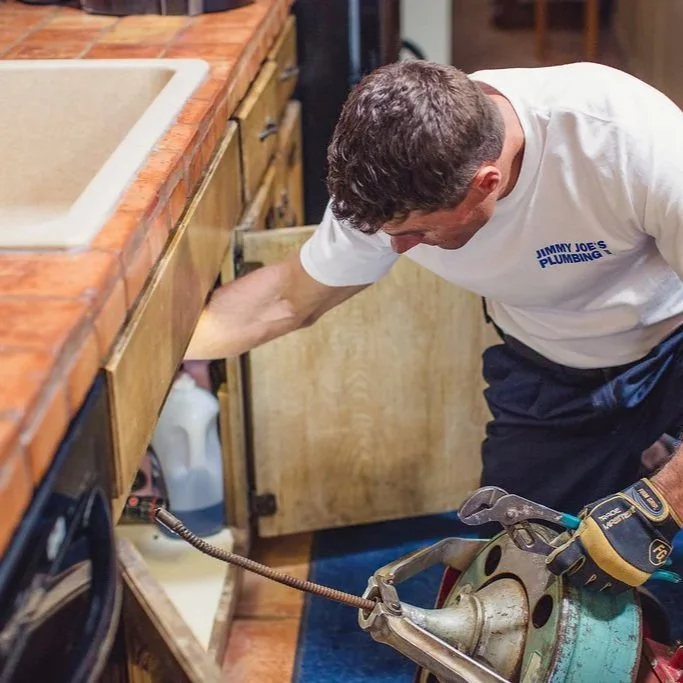
One of the most trusted professional drain-cleaning methods is mechanical snaking. A long, flexible steel cable with an auger tip is fed into the drain, where it either breaks up the blockage or pulls it out. Unlike plungers, which operate on pressure and can sometimes push debris further down, a drain snake grabs the problem directly.
Snaking works especially well for clogs caused by hair, soap scum, or food buildup that sits relatively close to the drain opening. It's also useful for older plumbing systems that may be too fragile for higher-pressure techniques. Professionals use powered versions that reach deeper and clear thicker blockages faster and with greater control.
Hydro Jetting With Precision
Hydro jetting combines the raw power of high-pressure water with targeted nozzle designs to scour pipe interiors clean. It's not a gentle stream—it's a plumbing pressure washer that blasts through years of grime, grease, scale, and sludge. The stream is strong enough to cut through minor tree roots and even clear mineral buildup from hard water.
The real benefit lies in the thoroughness. Pipes not only regain their full diameter but also lose the sticky residue that attracts future buildup. By cleaning the entire length of the line evenly, hydro jetting leaves behind a smooth, slick surface that resists future clogs far better than snaking alone.
Drain Cameras To Guide Strategy
A camera inspection takes the guesswork out of drain cleaning. A waterproof camera mounted on a flexible cable travels into the pipe, delivering a real-time view of blockages, cracks, corrosion, or improper slopes. It helps professionals diagnose not just what's blocking the pipe, but why.
In homes with frequent clogs or aging plumbing, a camera inspection reveals hidden weaknesses. Sagging pipes, foreign objects, or even poor installation become visible and addressable. Knowing exactly where the problem is saves time, reduces unnecessary digging, and points to the most effective treatment option.
Enzyme Treatments For Gentle Maintenance
While industrial-strength techniques handle major clogs, regular use of enzyme-based cleaners keeps things running between visits. These cleaners rely on natural bacteria and enzymes to digest organic matter in drains. They slowly break down hair, grease, and food residue without introducing harsh chemicals into the plumbing system or septic tank.
Unlike caustic drain cleaners that can weaken pipe walls and harm the environment, enzyme treatments offer a gentle, sustainable solution. When used consistently, they reduce buildup and odors while extending the time between professional cleanings. They work especially well when poured into drains at night, allowing the enzymes to work undisturbed.
Preventive Maintenance Plans
For commercial buildings or homes with high usage, scheduled drain cleaning takes the stress out of emergency backups. Rather than waiting for a clog to create chaos, preventive cleaning stops issues before they develop.
Maintenance plans typically include routine camera inspections, annual hydro jetting, and treatment recommendations based on the household's water use and plumbing layout. Pipes stay clean year-round, and problems are addressed before they reach panic levels.
In commercial kitchens, hair salons, or laundromats, where drains are in constant use and debris levels are high, these plans keep operations smooth and ensure compliance with health codes. For homeowners, they provide peace of mind and fewer middle-of-the-night plumbing surprises.
Smart Sensors And Early Alerts
Technology now plays a role in drain health. Smart water flow sensors can detect subtle changes in pressure, drainage speed, and water usage patterns. Some are sensitive enough to identify slow buildups before they become noticeable to occupants. When irregularities pop up, the system sends alerts via smartphone apps.
Pairing smart sensors with leak detectors adds another layer of protection. If water starts pooling where it shouldn't—under the sink, behind the washing machine, or beneath the tub—alerts can go out before damage spreads. Some systems even shut off the water automatically to prevent flooding.
Biofilm Disruption Through Aeration
In recent years, a technique called air scouring has gained attention. It uses bursts of compressed air to dislodge biofilm and debris from pipe walls. Though less aggressive than hydro jetting, it's effective in cleaning interior pipe surfaces without causing vibration damage to older plumbing.
Biofilm, a slimy matrix of bacteria and organic material, thrives in moist pipe interiors and contributes to recurring drain issues. Once removed, pipes become less hospitable to new buildup, reducing the chance of clogs and associated odors.
Root Intrusion Treatment
Tree roots are a notorious cause of sewer line clogs. Drawn to the moisture inside pipes, roots creep into joints, cracks, or weak points and expand over time. They trap waste, slow water flow, and in severe cases, collapse the pipe entirely.
Mechanical augers can remove small root invasions, while hydro jetting can slice through more extensive growth. In extreme cases, chemical root treatments may be applied after physical removal to discourage regrowth.
Pipe lining offers a more permanent fix. Using trenchless technology, plumbers insert a resin-soaked liner into the damaged pipe. Once cured, it forms a seamless new interior that blocks roots and restores flow without excavation.
High-Efficiency Drainage Designs
Modern plumbing favors high-efficiency drainage systems designed to reduce clog risks from the start. Larger pipe diameters, smoother materials, and well-calculated slopes allow waste and water to move more freely.
Ventilation improvements also help. Adequate venting equalizes pressure inside the system, allowing wastewater to move without gurgling or vacuum locks. Improperly vented systems often experience sluggish drains that seem clogged, even when debris isn't the issue.
In new builds or major remodels, upgrading to high-efficiency designs can help address many of the common frustrations associated with outdated drain layouts.
Simple Habits That Support Advanced Care
Even with the best tools and professional help, small daily habits matter. Using mesh screens in showers and sinks catches hair and solids before they cause trouble. Avoiding grease disposal down the kitchen drain spares the pipes from future nightmares.
Flushing only human waste and toilet paper keeps the sewer line running smoothly. Grease, wipes, coffee grounds, dental floss, and even excessive soap residue build up quickly in high-use households.
In homes with children, drain guards can prevent toy submarines, Legos, and glitter-filled experiments from joining the water cycle too early.
A Cleaner Path Forward
Advanced drain maintenance doesn't have to feel like an uphill battle. By combining smart tools, preventive practices, and professional care, homeowners and businesses alike can enjoy cleaner drains and fewer disruptions. A well-maintained drain system behaves like a polite guest—quiet, tidy, and never needing emergency attention at midnight on a holiday.
If you need an honest, dependable plumber in Mesa, AZ, call JimmyJoe’s Plumbing LLC. Our residential plumbing services include water heater, faucets and sinks, drain cleaning, toilet repairs and installations, and backflow prevention. Licensed, bonded, and insured with 24 years of plumbing industry experience. Call now to schedule an appointment.