
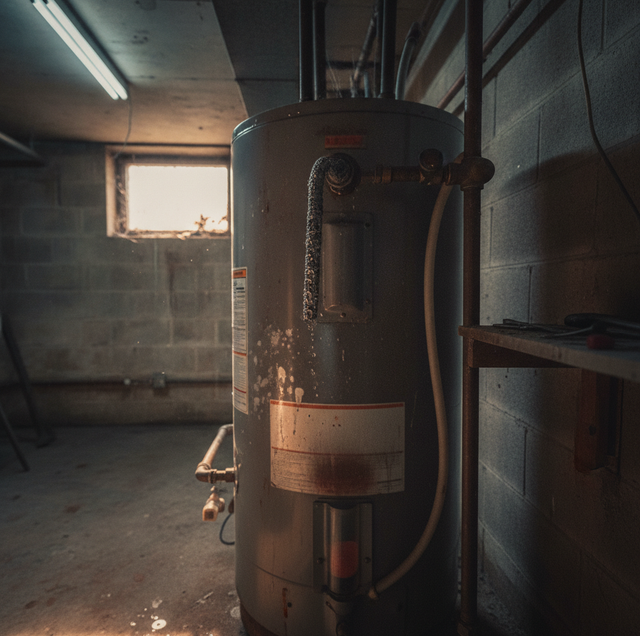
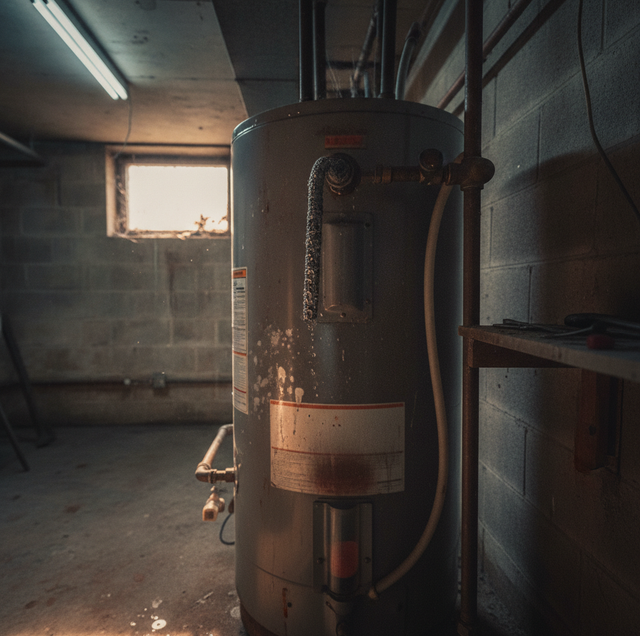
The first step is not fixing anything. It is figuring out which of those three situations you actually have, because the wrong repair on the wrong source does nothing except cost you a Saturday. A whiff of sulfur is one of the few plumbing complaints that tells you exactly where to look, as long as you run two or three quick checks before you reach for a wrench.
What the Smell Actually Is
Hydrogen sulfide is the gas behind the rotten-egg odor, and your nose is remarkably good at catching it. People can detect it at concentrations well below one part per million, which is why a faint trace at the tap seems so strong. The gas gets into water in a few ways, but almost all of them trace back to sulfur already present in the groundwater or the plumbing, plus a particular family of microbes called sulfate-reducing bacteria that convert dissolved sulfate into that pungent gas.
Think of those bacteria the way you would think of the film that builds up on a birdbath nobody cleans: harmless-looking, slow to form, and completely dependent on standing conditions with something to feed on. Give them stagnant water, a little sulfate, and no oxygen, and they multiply and off-gas. Move the water, add oxygen, or take away their food, and they stall. Almost every real fix for sulfur smell is some version of disrupting those three conditions.
Isolate the Source Before You Fix Anything
You can narrow the cause to one of three places in about two minutes with three checks. Do these before assuming the worst.
Hot versus cold- Run the cold tap and smell it, then run the hot tap and smell that. If only the hot water carries the odor, your water heater is the suspect and you can stop worrying about your whole supply.
One tap versus all taps- If the smell shows up in the kitchen and every bathroom, it is coming from the water feeding the house. If it only appears at one fixture, the problem is local to that spot or its drain.
The glass test- Fill a glass, walk into another room, wait a minute, then smell it. Water that truly carries hydrogen sulfide still smells in the glass. If the odor vanished once you stepped away from the sink, the smell was never in the water. It was rising out of the drain, and you were smelling it as the water ran past.
Those three answers point you straight at one of the three causes below.
When Only the Hot Water Smells: The Water Heater
A rotten-egg smell that appears only on the hot side is one of the most common versions of this complaint, and the cause lives inside the tank. Most tank water heaters contain a sacrificial anode rod, usually magnesium, that corrodes on purpose so the steel tank does not. In a tank harboring sulfate-reducing bacteria, the magnesium rod feeds a reaction that produces hydrogen sulfide, which is why the smell often gets worse first thing in the morning after the water has sat overnight.
Two things fix it, and they work best together. First, disinfect the tank: flush out the sediment, then run a chlorine solution through it, or set the thermostat to around 140 degrees Fahrenheit for a stretch to kill the bacteria (turn it back down afterward, because water that hot scalds). Second, swap the anode. Replacing the magnesium rod with an aluminum-zinc alloy rod removes most of the fuel for the reaction, and a powered anode, which uses a small current instead of a sacrificial metal, eliminates it entirely because there is no reactive metal left to feed the bacteria. A powered anode costs more up front, but is the closest thing to a permanent answer for a tank that keeps going sulfurous.
One caution: never remove or leave out the anode to stop the smell. The rod is what keeps the tank from rusting through, and a tank with no anode fails years early.
When Both Hot and Cold Smell: The Water Supply
If the odor is on both the hot and the cold at every tap, the water arriving at your house already carries it. This is far more common in private well water than in municipal supply because wells draw from groundwater that can contain both natural sulfur and the bacteria that produce the gas, and there is no treatment plant between the source and your tap. City water is chlorinated and rarely smells of sulfur at the meter, though it can pick up an odor if it sits in a rarely-used line.
The fix depends on the cause. For a well, shock chlorination is usually the first move: you introduce a strong dose of chlorine into the well and plumbing, let it sit to kill the bacteria, then flush it out. That often clears a bacterial case, but if the sulfur is chemically in the groundwater rather than biological, shocking only helps for a while. Persistent supply-side sulfur calls for whole-house treatment, and the right equipment depends on the amount of gas present. Common approaches include aeration (spraying or bubbling the water to drive the gas off), an oxidizing filter that converts the sulfide into filterable particles, or continuous chlorination followed by a carbon filter that removes both the chlorine and the odor. A water test tells you which one fits, so this is worth getting right rather than guessing.
When Only a Drain Smells: Biofilm, Not Water
Sometimes the water is fine, and the smell is theater. Organic gunk, hair, soap scum, and food residue build a slimy biofilm inside a drain, and that film hosts its own odor-producing bacteria. When you run the tap, moving water and air stir the drain and push that smell up into your face, so it feels like the water stinks when the water is innocent. This is exactly what the glass test catches: the smell is gone from a glass carried across the room because it was never in the water.
The cure is to clean the drain, not to treat the water. Flushing with hot water, a baking-soda-and-vinegar pass, or an enzyme-based drain cleaner that digests the biofilm usually clears it. Chemical caustic drain openers are less useful here, since the goal is to remove the organic film rather than dissolve a clog. If a floor drain or a rarely-used bathroom is the culprit, a dry P-trap may also be letting sewer gas up, and simply running water to refill the trap solves it.
Do Not Forget the Water Softener
A water softener sits in the middle of your plumbing, holding a bed of resin and a tank of brine, and if it runs on well water or infrequently regenerates, it can become its own reservoir for sulfate-reducing bacteria. In that case, the softener does not just fail to help; it actively seeds the smell into everything downstream of it. If your water started smelling after you added or serviced a softener, or if the smell is strongest on softened water, sanitizing the unit (many models have a resin-cleaning or sanitizing procedure in the manual) belongs on your checklist before you tear into the heater.
Is Sulfur Water Safe?
At the nuisance levels most homes see, hydrogen sulfide in water is a smell-and-taste problem rather than a health hazard. It can corrode metal fittings and leave black staining on fixtures and laundry over time, and it makes water unpleasant to drink and cook with, but the low concentrations that produce a noticeable odor are generally not considered dangerous to drink or bathe in. Still, a strong odor that appeared suddenly, especially on a well, is worth testing, because whatever conditions let the sulfur bacteria bloom can sometimes let coliform bacteria in too, and coliform is a genuine safety concern. Keep one thing separate: hydrogen sulfide in water is a plumbing nuisance, but the mercaptan added to natural gas smells similar and means something entirely different. If a rotten-egg odor is coming from the air, an appliance, or the ground rather than the faucet, treat it as a possible gas leak, leave the building, and call the gas utility from outside.
FAQs
How do I tell a water smell from a drain smell from a sewer-gas smell?
Three different sources, three different signatures. A water smell rides the water itself: it is present whether the drain is wet or dry and tends to be even across hot and cold or consistent tap to tap. A drain (biofilm) smell is strongest right at the basin, comes and goes as water disturbs the slime coating the pipe walls, and often has a musty or sour edge rather than pure sulfur. A sewer-gas smell from a dry P-trap is different again: it lingers even with every tap off, is worst at a floor drain or a fixture nobody uses (the trap seal has evaporated and raw sewer gas is rising past it), and usually carries a broader septic odor, not just eggs. Pouring a cup of water down a suspect floor drain to refill the trap will kill a dry-trap smell within minutes, but does nothing for a true water or biofilm source.
Which anode rod should I actually put in a tank that keeps smelling?
The swap goes in a specific order of aggressiveness. A magnesium rod is the most reactive and the usual culprit, so the first step is to replace it with an aluminum-zinc alloy rod, which is far less prone to fueling the sulfide reaction while still protecting the steel. If the aluminum-zinc rod still smells, the durable answer is a powered (impressed-current) anode: a titanium rod driven by a small plug-in current, with no sacrificial metal for the bacteria to react with, and it does not deplete the way a metal rod does. What you must not do is pull the anode and leave the port empty to stop the smell. The rod is the only thing standing between the water and the bare steel; running with no anode voids most manufacturer warranties and can rust the tank through in a fraction of its rated life.
When is a rotten-egg smell a nuisance, and when is it a real safety flag?
The sulfide odor itself is almost always a nuisance: at the concentrations a nose picks up, it stains fixtures black and corrodes fittings, but is not treated as a drinking hazard. The safety question is what the smell rode in on, so the test to run is not for sulfide but for coliform (and E. coli) bacteria, which flag that surface contamination has reached the water. On a private well, this matters most: a smell that changed suddenly, arrived with cloudy or gritty water, or followed heavy rain or flooding can signal surface-water intrusion, meaning runoff is getting into the well past a failing seal or casing. That is the case that warrants a coliform test right away, and holding off on drinking it until the result comes back clean, rather than treating the odor as cosmetic.
Will a water softener or filter get rid of the smell?
A standard water softener will not fix sulfur smell and can make it worse, because the resin and brine tank can harbor the same sulfate-reducing bacteria and seed the odor downstream; sanitizing the softener is the first step if it is the source. For genuine removal, the equipment has to target hydrogen sulfide specifically: an oxidizing filter (manganese-based media), an aeration system, or chlorination followed by a carbon filter. A plain carbon or sediment filter only helps with very light odor and clogs quickly, so a water test should guide the choice.
How do I disinfect a well or a water heater myself?
For the heater, shut off the cold inlet, drain and flush the tank to clear sediment, then either run a chlorine solution through it or raise the thermostat to about 140 degrees Fahrenheit for a few hours to kill bacteria before turning it back down. For a well, shock chlorination means adding a measured chlorine dose to the well, circulating it through every fixture until you smell chlorine, letting it sit for several hours, then flushing until the chlorine clears. Wells vary in depth and construction, and over-chlorinating can damage components, so a well that keeps going sulfurous is worth handing to a pro rather than re-shocking repeatedly.
Why did the smell suddenly start when the water was fine before?
Sulfate-reducing bacteria bloom when water sits still, so the most common trigger is reduced use: a guest bathroom nobody runs, a vacation, or a heater left on vacation mode all let the population build until the next draw smells. A newly installed water heater can start to smell within weeks if its anode and your water chemistry favors the reaction. On a well, shifts in groundwater or a drop in the water table can draw in more sulfur than before, which is why a sudden well-side odor is the one case that most warrants a test rather than a guess.