
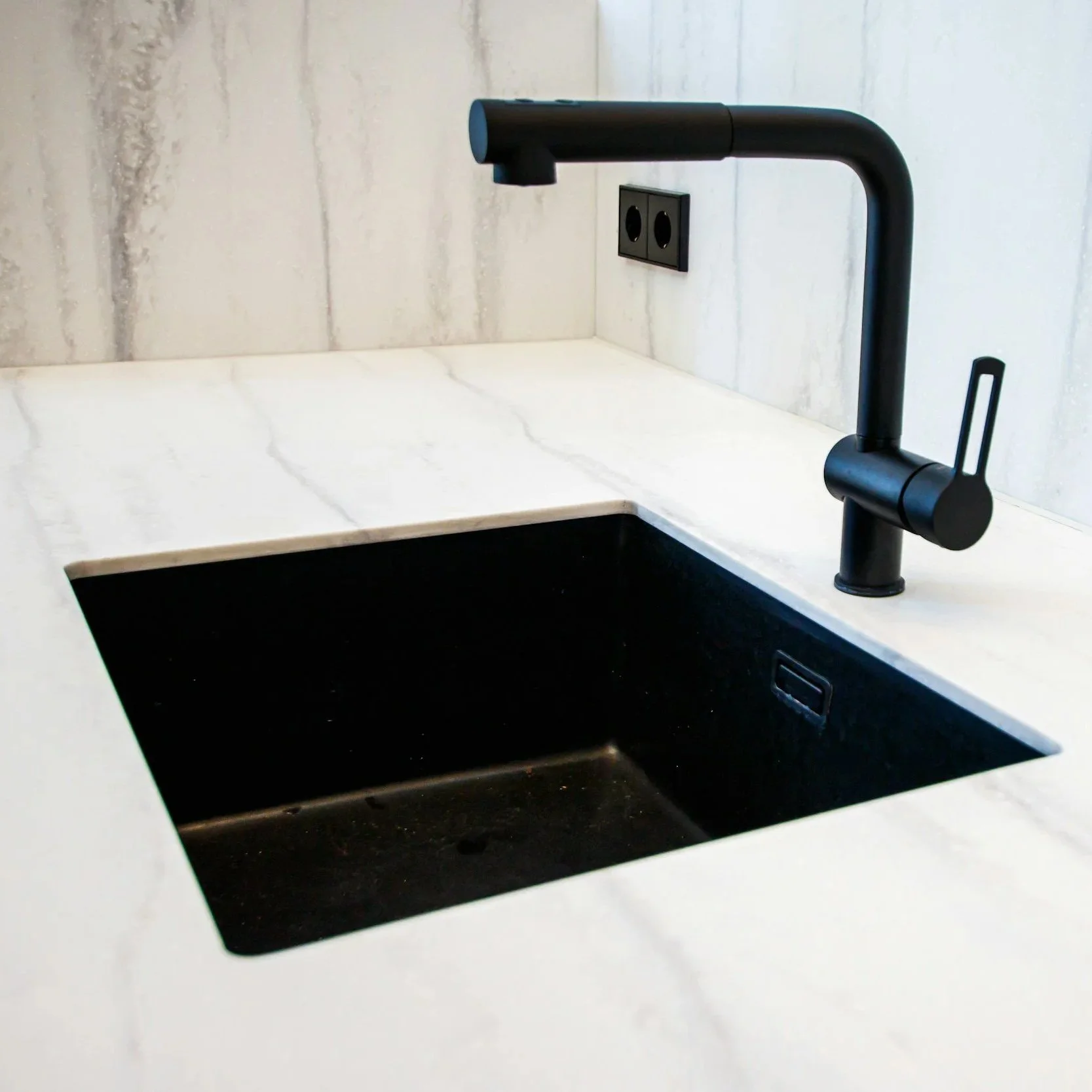
Clever designs now integrate workstations, adaptable fixtures, and space-saving features that would make past generations do a double-take.
The humble sink has evolved into something far more than a basin with a drain. Clever designs now integrate workstations, adaptable fixtures, and space-saving features that would make past generations do a double-take. From farmhouses to modern flats, choosing the right sink setup affects daily routines, the flow of a space, and even mood. Yes, a cheerful kitchen starts with a sink that doesn’t fight back.
Choosing The Right Depth For The Job
Depth plays a starring role in how a sink handles daily life. A deep basin might be ideal for soaking roasting pans or concealing a mountain of dishes, but it can turn into a backache factory without proper ergonomic consideration. On the flip side, shallow sinks make cleanup a splashy affair if water pressure plays a little too aggressively.
Sink depth should suit the household and the people using it. Those who cook frequently or use large pots benefit from deeper designs. People of shorter stature or with limited mobility might find mid-depth models more comfortable. The goal isn’t to create a swimming pool—just a comfortable place for washing, rinsing, and the occasional potato scrub-down.
Mounting Styles That Match The Space
Undermount sinks make for easy counter wipe-downs and a sleek, seamless look. They shine in modern kitchens where granite, quartz, or solid surfaces take center stage. No grime-collecting rim means faster cleaning and a more polished feel.
Top-mount or drop-in sinks offer flexibility and can be installed in almost any countertop material. They tend to be easier to swap or upgrade without major renovation. Apron-front or farmhouse sinks lend charm and character while providing a generous workspace, perfect for kitchens that juggle functionality and personality.
Each mounting option has its tradeoffs, but the style sets the tone for the entire countertop layout. A well-mounted sink makes daily use feel intuitive instead of like an obstacle course.
Double Bowl Vs. Single Bowl Designs
Single bowl sinks offer uninterrupted space for washing large trays or stacking dishes without boundaries. Their simplicity and roominess appeal to many modern homeowners. A large basin also doubles as a prep station, especially when paired with accessories like cutting boards or colanders.
Double bowl sinks provide compartmentalization. Washing on one side while rinsing or drying on the other brings a rhythmic efficiency to kitchen work. Some models use asymmetrical bowls to offer a smaller side for disposal use while preserving enough space for pots and pans.
There’s no one-size-fits-all solution. The right choice depends on cooking habits, dishwashing preferences, and whether the household chef likes to soak, rinse, repeat, or simply move fast.
Material Matters
Stainless steel remains a popular choice for good reason. It’s durable, easy to clean, and heat- and stain-resistant. Brushed finishes hide scratches better than polished ones and offer a more forgiving look over time.
Composite granite sinks bring color and texture into the mix. They resist chips and scratches and usually feel quieter during use, thanks to their dense construction. Cast-iron sinks coated in porcelain enamel bring vintage flair and extreme toughness, but they weigh more than a small car, so cabinet support must be taken seriously.
Copper sinks, though less common, introduce visual warmth and natural antimicrobial properties. They age gracefully and develop a patina over time that’s uniquely theirs.
Choosing a material that holds up to frequent use while complementing the room’s aesthetic means fewer regrets and less maintenance stress.
Integrated Workstation Features
Workstation sinks elevate the sink from a cleanup zone to a full-blown prep center. Built-in ledges support sliding accessories like cutting boards, drying racks, and strainers. This setup maximizes space and minimizes counter clutter, especially helpful in smaller kitchens.
Prepping vegetables, draining pasta, or drying dishes right over the sink keeps everything contained and efficient. The layout encourages a natural workflow, allowing transitions from rinse to chop to discard with fewer messes and fewer steps.
It’s like giving the sink a promotion and watching it thrive under pressure.
Faucet Pairings That Add Personality And Precision
A faucet should complement the sink both visually and functionally. Pull-down sprayers make rinsing easier and reach every corner of the basin. Touchless models respond to a wave or tap, reducing mess and promoting cleanliness—great for homes where flour and batter like to wander off hands mid-prep.
Bridge faucets offer a classic look with separate hot and cold handles, while single-handle designs lean more toward a modern, streamlined look. Finishes like matte black, brushed nickel, or even champagne bronze bring an extra layer of character.
A faucet isn’t just a valve—it’s the sink’s partner in crime. Choosing a design that looks good while delivering precise control over flow and temperature pays off every day.
Drain Placement That Makes Sense
Center-drain sinks are standard, but rear-offset drains offer practical benefits. By placing the drain toward the back, more flat surface area becomes available for stacking dishes. It also leaves space under the cabinet for pull-out trash bins or storage.
An offset drain reduces splash zones and keeps water from pooling around the faucet base. Less pooling means fewer chances for grime buildup and more time enjoying the kitchen rather than scrubbing it.
It’s a small detail that quietly improves workflow and maintenance.
Noise Reduction Where It Counts
Clattering pots, gushing water, and dropped utensils can turn a peaceful kitchen into a percussion concert. Sound-deadening pads and undercoating in the sink basin muffle those kitchen sounds and bring welcome calm.
Stainless steel sinks with padding or a rubberized coating beneath the bowl reduce clanging and vibration. Composite sinks, by nature, already absorb more sound. Even small insulation adjustments can make a big impact on noise levels, especially in open-concept homes where the kitchen and living areas blend.
Accessibility And Ergonomics
Kitchens serve everyone, from the tallest teen to the tiniest grandparent. A thoughtfully designed sink setup helps prevent back strain and repetitive-motion fatigue. Shallow depths or apron fronts reduce bending. Taller faucets reduce wrist twists.
Sink height, cabinet clearance, and faucet reach should work together to create a natural flow. A well-positioned sprayer or easy-to-turn handle makes a noticeable difference during long prep sessions or big cleanup marathons.
Comfort translates into efficiency, and ergonomic choices keep people happier during everyday routines.
Smarter Storage Integration
Modern sink designs consider what lives underneath them. Deep basins might interfere with plumbing unless cabinets are planned around them. Sliding drawers or pull-out organizers maximize space without jamming into the disposal.
Soap dispensers, built-in water filters, or foot pedals can be integrated into the design for added convenience. The space below the sink often becomes a graveyard of half-used cleaning products—an efficient layout reclaims that zone and makes it useful again.
Using every inch wisely makes even modest kitchens feel spacious and smart.
Installation Done Right
No matter how sleek or stylish, a sink performs best when installed with precision. Level placement, proper sealing, and reinforced cabinetry keep the sink stable and leak-free. Good plumbing prevents drips, gurgles, and odors from creeping up through the drain.
Professional installation avoids common pitfalls like poor slope, wobbly mounts, or mismatched supply lines. The goal is a sink that feels solid under pressure and doesn’t complain when hit with a sink full of dishes after taco night.
Once the sink is in, everything around it works better—faucets function properly, counters stay cleaner, and dish duty feels a little less like a chore.
Innovative sink designs don’t just make kitchens prettier—they make life smoother. A sink that serves as a prep station, water source, dish hub, and design centerpiece carries a lot of responsibility. Choosing the right setup with the right features turns that responsibility into an asset, one dish at a time.
If you need an honest, dependable plumber in Mesa, AZ, call JimmyJoe’s Plumbing LLC. Our residential plumbing services include water heater, faucets and sinks, drain cleaning, toilet repairs and installations, and backflow prevention. Licensed, bonded, and insured with 24 years of plumbing industry experience. Call now to schedule an appointment.