
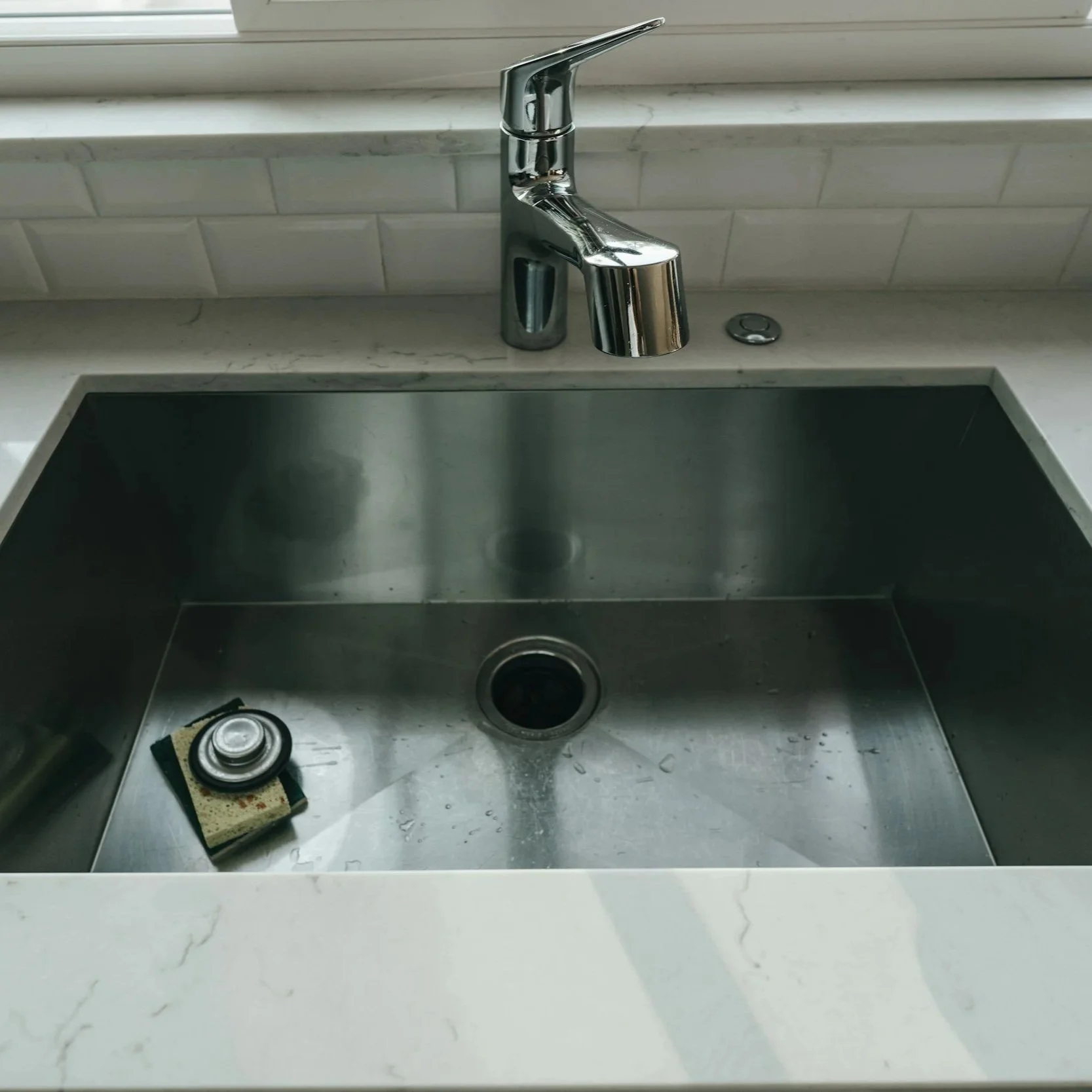
A perfectly tuned disposal hums quietly in the background, but when it groans, rattles, or flat-out refuses to work, the sink turns into a drama queen.
Garbage disposals are the unsung heroes of kitchen convenience, always standing by to grind away food scraps with zero complaints—until they stop working. A perfectly tuned disposal hums quietly in the background, but when it groans, rattles, or flat-out refuses to work, the sink turns into a drama queen. Understanding how to troubleshoot these quirks keeps the kitchen on track without the chaos of surprise plumbing bills or late-night YouTube tutorials.
Silence When Switched On
A garbage disposal that makes no sound at all can be eerily quiet in the worst way. If there's no hum, no click, and no movement, the issue likely stems from a power problem. A reset button on the bottom of most units often corrects this. Sometimes, a tripped circuit breaker at the panel is to blame. Quick visual inspections under the sink can confirm whether the unit is still plugged in—because occasionally, the culprit is just a loose plug knocked out during an enthusiastic cleaning spree.
Once power is restored, the disposal should spring to life like a well-behaved kitchen assistant. If it remains silent, internal wiring or the motor may have called it quits. That's when a professional evaluation becomes the safer choice.
Humming Without Grinding
A humming disposal that doesn't grind has likely jammed. The motor is working, but the blades have seized due to a blockage. Common culprits include fruit pits, fibrous veggies, or a rogue utensil that found its way into the chamber. Continuing to operate in this state risks burning out the motor or blowing a fuse.
Cutting power at the source prevents accidents during repair. A hex key, often included with the unit, fits into a slot at the bottom to manually rotate the blades and break the jam. Food particles or debris may need to be pulled out with tongs or pliers. Once cleared, the unit typically resumes normal function—no apology required.
Water Backing Up in the Sink
Backups in the sink create instant frustration. When the disposal fills with water, the problem usually lies beyond the unit itself. Blocked pipes, a clogged trap, or a poorly designed drain layout can all interfere with proper water flow.
Disposing of high-starch items like potato peels, pasta, or rice often leads to drain blockages. These expand with water, sticking to pipes like an overly friendly dinner guest. Even coffee grounds, which seem harmless, turn into dense, clingy sludge that slows water movement.
In many situations, a plunger or a drain snake clears the mess. For repeat offenses, adjusting habits and spacing out food loads can help. In more serious cases, reworking the plumbing or upgrading the unit might be the only way forward.
Leaks Beneath the Sink
Pools of water under the cabinet are never welcome. Garbage disposals can leak from several locations: the top mount to the sink, the dishwasher inlet, or the discharge pipe leading to the drain. Locating the exact source often involves a flashlight, paper towels, and a bit of detective work.
A leaky sink flange suggests a worn-out gasket or loose mounting ring. That repair involves removing the disposal and resealing the flange with putty or a new gasket. Dishwasher hose connections need tight clamps and intact tubing to hold under pressure. For the discharge pipe, worn seals or cracked PVC may be to blame.
Leaks rarely fix themselves. Prompt repair protects cabinetry, prevents mold, and keeps the kitchen from smelling like yesterday's leftovers on a rainy day.
Disposal Drains Slowly
When a garbage disposal seems to operate fine but drains like molasses in January, the issue lies in the drain line. Partial clogs restrict flow and encourage residue to linger, inviting future buildup.
A slow drain benefits from a thorough flush with cold water after each use. Using ice cubes and a small splash of vinegar can help scrub the chamber and keep odor at bay. For stubborn slowdowns, removing the P-trap and manually cleaning out gunk may restore performance.
Chemical drain cleaners may seem tempting, but they can damage both the disposal's internal parts and household pipes. Mechanical cleaning remains the safer and more effective route.
Unpleasant Odors Lingering Around the Sink
When the disposal smells like a forgotten science experiment, the problem is trapped food waste or grease. Bacteria flourish in the moist environment, and without regular cleaning, smells drift upward in an aromatic betrayal.
Citrus peels bring back a bit of cheer and fragrance, while baking soda, followed by white vinegar, gives the chamber a natural scrub. Flushing the unit with cold water after each use and grinding small ice cubes maintains freshness.
Smells that return quickly may indicate a buildup of residue deep in the unit or the pipes. In that case, a more thorough manual cleaning or a professional service helps evict the olfactory offender.
Rattling, Clanging, or Other Odd Sounds
A garbage disposal that suddenly sounds like a blender full of gravel has likely encountered a foreign object. Metal utensils, broken glass, or bone fragments can rattle around the chamber, damaging internal components if left unchecked.
Shutting off the power immediately stops further damage. Inspecting the chamber with a flashlight and extracting objects with tongs prevents injury. Some disposals have removable splash guards for easier access, while others require tools to open safely.
Persistent noise after debris removal might indicate loose parts or worn components. At that stage, a technician can tighten mounts or replace damaged grinding elements before the issue escalates.
Disposal Works Intermittently
Inconsistent performance often stems from loose connections, failing wall switches, or a worn-out internal switch inside the unit. Power that flickers or fails to start without a tap may indicate frayed wires or corroded contacts.
While some issues arise from age, others stem from improper installation. Wires not securely fastened or improperly grounded units cause intermittent failures that only become more erratic over time.
Swapping out switches or reconnecting wires should always be left to professionals, especially around water sources. When appliances begin showing their age through electrical quirks, replacement often brings more peace of mind than repair.
Preventing Problems Before They Begin
Most garbage disposal issues stem from how the unit is used. Avoiding fibrous vegetables like celery, onion skins, or corn husks prevents jams from forming. Keeping grease, oil, and fat out of the drain prevents them from solidifying in the pipes. Grinding small food scraps in short bursts with plenty of cold water keeps everything flowing smoothly.
Sharp objects, glass, and plastic have no business in a disposal, no matter how adventurous the cook might be. Even too many eggshells can contribute to sediment buildup, despite the satisfying crunch.
Basic maintenance includes regular flushing, occasional grinding of ice or citrus peels, and visual inspection for leaks or odors. These small tasks add years to a disposal's life and prevent the most common disruptions.
Recognizing When It's Time for a Replacement
Eventually, every disposal faces retirement. When repairs pile up, performance weakens, or age begins to show through strange smells and grinding patterns, upgrading makes more sense than bandaging the past.
Newer models offer quieter operation, improved grinding power, and energy efficiency. Upgrading provides greater reliability and reduces the risk of unexpected breakdowns when the household is busiest. Kitchens deserve appliances that contribute to smooth operation, not ones that require constant coaxing or creative workarounds.
With consistent care, garbage disposals hum along for years, asking very little and giving quite a lot. Troubleshooting common problems keeps them part of the team, helping kitchens run smoothly without turning the sink into a scene of culinary chaos.
Jimmy Joe’s Plumbing LLC is a licensed, insured, and bonded plumbing service offering garbage disposals, tubs and showers, leak detection and pipe repairs, water treatment, and home remodeling plumbing services to Mesa, AZ, homeowners. Our skilled plumbers are prompt and can resolve any plumbing issue the home encounters. They can also handle plumbing emergencies efficiently. Call now!