
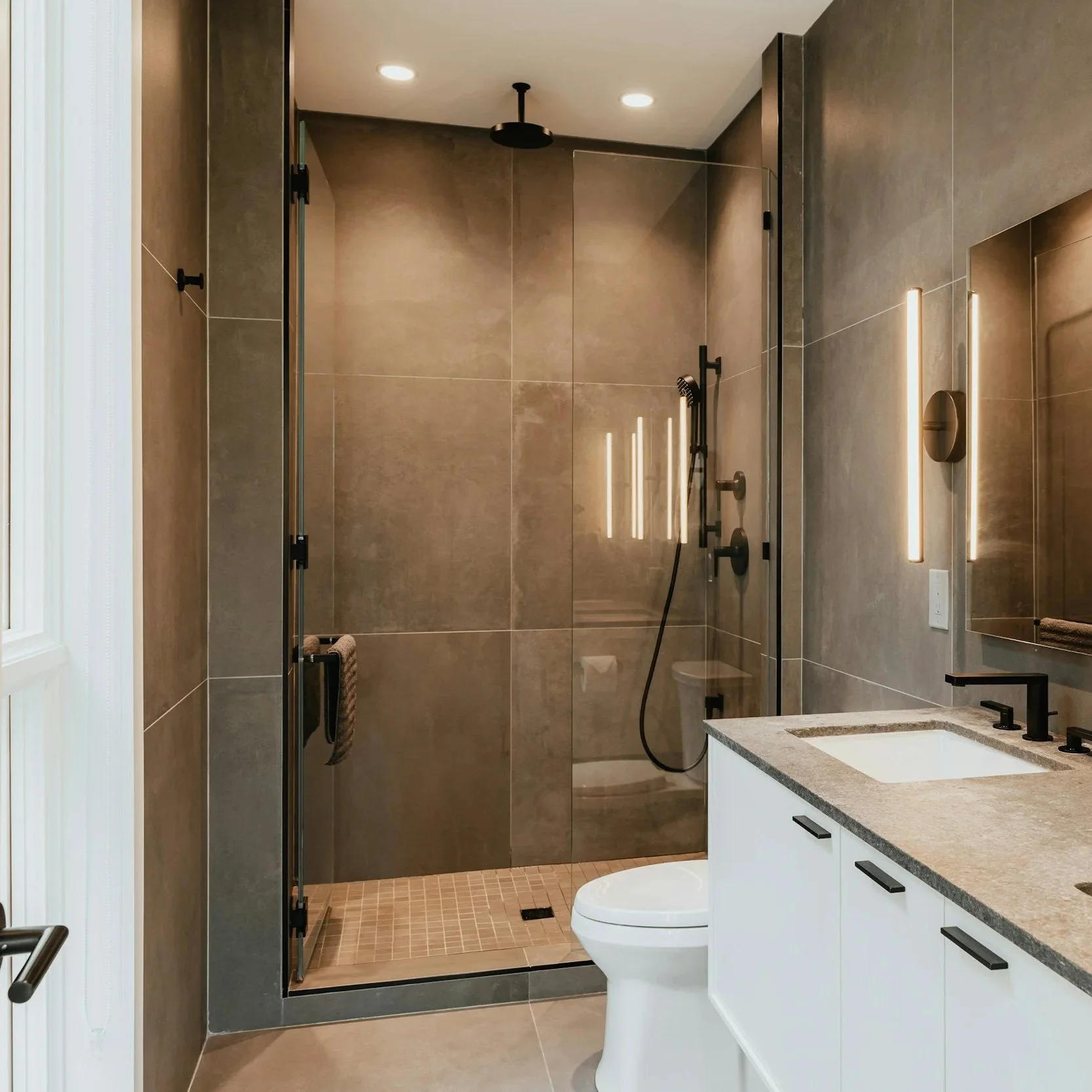
A custom shower installation can make a lasting impact on comfort, mood, and style without knocking down walls or draining every penny.
Creating a daily retreat doesn’t require a full spa buildout. A custom shower installation can make a lasting impact on comfort, mood, and style without knocking down walls or draining every penny. With modern innovations and thoughtful design, showers have evolved from basic rinse stations to highly personalized spaces that balance function and relaxation. Homeowners are finding new ways to make every shower an experience worth savoring, even before the first cup of coffee.
Customizing Features to Personal Preferences
Custom showers revolve around the user’s preferences. Some people crave a brisk, focused spray, while others prefer a gentle rainfall effect that trickles down with spa-like calm. Handheld units, fixed showerheads, and ceiling-mounted options can be combined in nearly endless configurations. Even body jets have found their place in high-end residential bathrooms, creating full-body immersion at the touch of a valve.
Ergonomic controls simplify the process by dialing in temperature and flow with precision. Once set, they maintain consistency no matter how many showers are taken in a row. This process saves time and avoids the chilly surprises of traditional setups.
For those who like to lean into their shower time, seating can make the experience even more luxurious. Built-in benches or fold-down seats create a spot to unwind under the water stream without standing in one spot. Add steam generation and aromatherapy features, and it’s not just a shower—it’s a daily vacation.
Choosing the Right Materials
Materials influence comfort, cleanliness, and longevity. Slip-resistant tile reduces accidents without sacrificing aesthetic appeal. Popular choices like textured porcelain, ceramic, or natural stone can reflect traditional or contemporary styles with ease. Glass enclosures invite more light into the space while creating a clean, open feel. Frameless designs help modernize the look and make small spaces feel more expansive.
Grout lines have become less fussy, too. Modern tile formats offer larger surface areas, reducing the number of joints that require maintenance. Epoxy grout and sealants help prevent mildew and buildup, making cleaning less of a chore.
Hardware plays its role as well. Brushed nickel, matte black, or polished chrome fixtures can align with other bathroom elements. Sleek finishes and minimalist designs lend the shower a refined, organized presence, all without feeling sterile.
Adding Smart Features for Comfort
Technology continues to influence even the most personal corners of the home. Smart showers integrate digital controls, timers, and connectivity that sync with apps and voice commands. Some systems warm the water to a preferred temperature before a single drop flows, while others allow for pre-programmed settings for every household member.
Lighting also joins the mix. Integrated LED strips around niches, under benches, or within showerheads themselves add ambiance. Color-adjustable lights support morning wake-up routines or evening wind-downs. Music-capable showerheads and waterproof speakers turn the space into a private concert venue, no stage fright involved.
Drainage remains just as important as design. Linear drains blend into flooring, offer fast water removal, and maintain a sleek, low-profile look. They help prevent pooling without disturbing the layout, and they allow for barrier-free entry—a major win for accessibility and aesthetic alike.
Prioritizing Functionality and Flow
A beautiful shower loses its charm if it doesn’t perform well. Function guides design from the ground up. Water pressure, plumbing lines, and spatial layout should work in harmony. In custom setups, professionals often reconfigure supply lines or upgrade valves to handle additional outlets or specialized heads.
Drain placement needs careful consideration to avoid pooling and leaks. Proper slope and waterproofing materials like vapor barriers and cement board keep moisture where it belongs. Once installed, these systems work quietly behind the scenes while keeping the structure intact.
Custom storage makes a difference, too. Niches, shelves, and corner caddies prevent the shampoo bottle avalanche that plagues many showers. Tucked-in shelves keep soap, razors, and conditioners within reach but out of the way.
Matching the Shower to the Space
Not every bathroom offers vast square footage. Custom shower installations adapt to a room’s dimensions and proportions. A corner unit with curved glass doors saves space in a narrow layout, while a walk-in layout with no enclosure might suit a larger bathroom that doubles as a dressing area.
Bathtub-to-shower conversions continue to gain popularity. Older tubs often see minimal use and can take up valuable real estate. Converting that space into a roomy shower improves function without major structural work. In some cases, combining a sleek tub and walk-in shower can strike a satisfying balance between luxury and practicality.
Some homeowners prefer wet-room designs, where the entire bathroom is waterproofed and the shower has no separate enclosure. These setups emphasize minimalism and allow for maximum movement, ideal for those who want a free-flowing space with few boundaries.
Making It Your Own
Every household carries its own routine, schedule, and vibe. A shared hall bath may require durability, quick clean-up features, and ample elbow room. A master suite, on the other hand, might focus more on indulgence and tranquility. Matching the design to the household’s rhythm matters more than following trends.
Custom showers support this freedom with nearly endless configurations. Whether someone wants dual heads for double-duty mornings or a tranquil space for evening unwinding, the shower adapts accordingly. Even small design tweaks—like recessed lighting, wall texture, or shelving placement—add comfort without complicating maintenance.
Working with the Right Professionals
Designing a custom shower may sound simple in theory, but the moving parts can pile up quickly. Licensed plumbing professionals handle everything from rough-ins to fixture mounting and final testing. Their insight helps avoid pitfalls that turn dream showers into damp disappointments. The right contractor can factor in code compliance, water flow, and fixture compatibility to keep everything running smoothly behind the scenes.
Experienced teams also help source materials that match the client’s vision while staying within budget. They balance beauty and durability, finding creative solutions to layout constraints and aging infrastructure. Once the installation wraps up, a quality professional leaves behind more than tile and grout—they leave behind a functional retreat crafted around the people who use it every day.
Long-Term Value and Appeal
Investing in a custom shower goes beyond aesthetics. It increases comfort, boosts home value, and adds usable luxury to everyday life. Guests notice it, buyers appreciate it, and families use it without giving it a second thought. Unlike trend-driven designs that may feel dated in a few years, personalized showers evolve with the household. They adapt to changing lifestyles, mobility needs, and personal tastes.
High-quality materials, thoughtful storage, and ergonomic layouts create a low-maintenance upgrade that lasts. Many homeowners report increased energy, better moods, and even improved sleep after upgrading their bathroom environment. When it fits your life, even the simplest routines take on new meaning.
In a world where every minute counts, a shower that supports calm, comfort, and convenience becomes more than a feature. It becomes part of the rhythm. Custom installations turn daily rinse cycles into rituals of renewal, framed in tile and wrapped in steam. And in a fast-paced world, that kind of pause holds undeniable value.
Jimmy Joe’s Plumbing LLC is a licensed, insured, and bonded plumbing service offering garbage disposals, tubs and showers, leak detection and pipe repairs, water treatment, and home remodeling plumbing services to Mesa, AZ, homeowners. Our skilled plumbers are prompt and can resolve any plumbing issue the home encounters. They can also handle plumbing emergencies efficiently. Call now!